


عالمی بروکر ریگولیشن چیک کرنے والا ایپ
WikiFX
اردو
简体中文
繁體中文
English
Pусский
日本語
ภาษาไทย
Tiếng Việt
Bahasa Indonesia
Español
हिन्दी
Filippiiniläinen
Français
Deutsch
Português
Türkçe
한국어
العربية
اردو

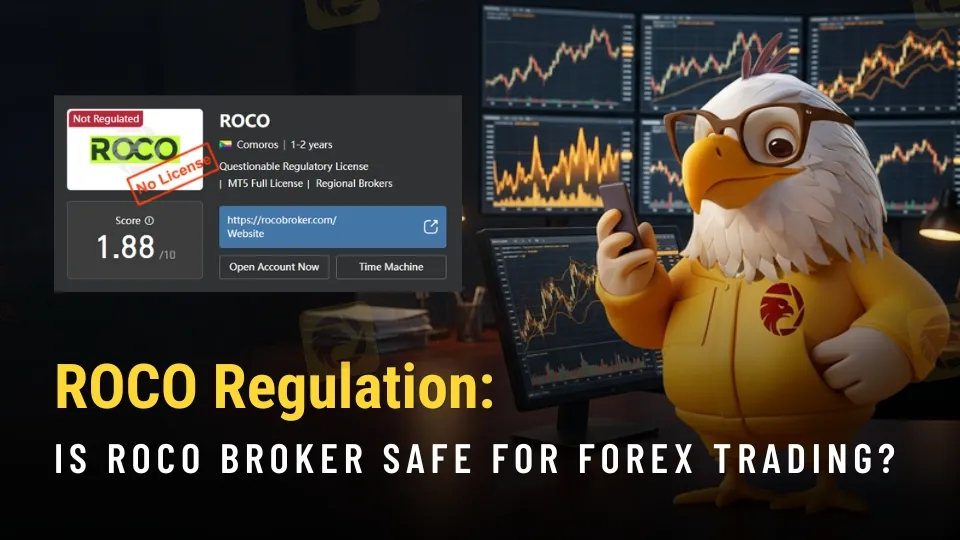
ROCO Regulation: Is ROCO Broker Safe for Forex Trading?

خلاصہ۔:Verify the current ROCO regulation status and license details. Learn how to manage your ROCO login and trade safely using official platforms. Check WikiFX now.
 ROCO Regulation Is ROCO Broker Safe for Forex Trading.jpg" title="ROCO Regulation Is ROCO Broker Safe for Forex Trading.jpg">
The landscape of online brokerage requires rigorous scrutiny of licensing and operational transparency. ROCO, an emerging name in the financial markets, offers a variety of trading instruments including Forex, commodities, and indices. However, for any trader, the primary concern remains the legal framework governing the brokers activities. Understanding the specifics of ROCO regulation is essential for safeguarding capital and ensuring a fair trading environment.
 فہرست
فہرستIs ROCO A Regulated Forex Broker?
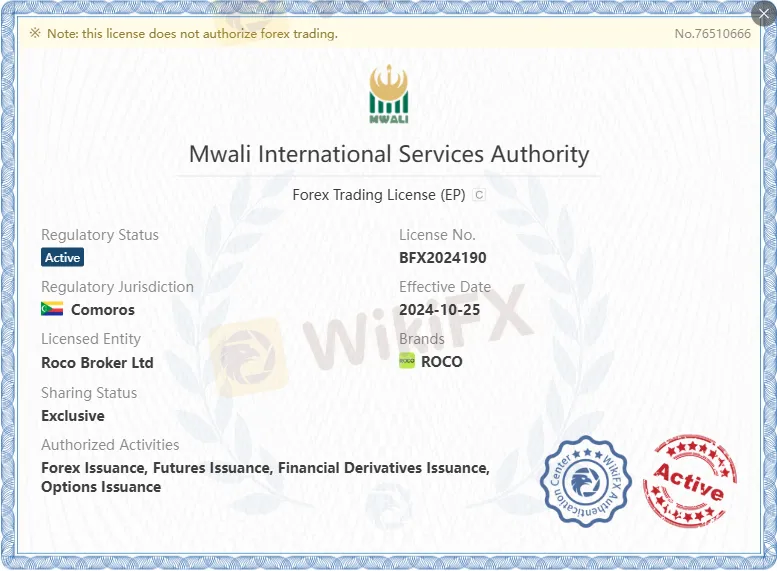
ROCO regulation is currently linked to a license issued by the Mwali International Services Authority (MISA) in the Comoros. According to official records, Roco Broker Ltd holds a Forex Trading License (EP) with the license number BFX2024190, effective as of October 25, 2024. While the regulatory status is marked as “Active,” a critical observation on the documentation notes that “this license does not authorize forex trading” in certain capacities. This discrepancy highlights the importance of verifying whether a brokers authorized activities—listed as Forex, Futures, and Financial Derivatives Issuance—align with the actual services provided to retail clients.
What Are The Risks Associated With ROCO Regulation?
When evaluating regulation ROCO, traders must consider the jurisdictions limitations. The Mwali International Services Authority is an offshore regulator, which generally involves lower entry barriers and less stringent oversight compared to Tier-1 bodies like the FCA or ASIC. A significant risk factor is the specific warning attached to the license regarding forex trading authorization. This suggests that while the entity is registered, its legal permission to act as a counterparty for forex transactions may be restricted. Potential investors should weigh the “Exclusive” sharing status against these localized warnings to avoid regulatory gaps.
Frequently Asked Questions
- Is ROCO a regulated broker?
ROCO holds an active license from the Mwali International Services Authority in Comoros under the number BFX2024190.
- What is the minimum deposit for ROCO?
Standard accounts typically require a minimum deposit of $100, though requirements vary based on the specific account tier selected.
- How do I access the ROCO login?
Users can access the ROCO login through the official broker portal or by connecting their credentials to the MT5 platform.
- What trading platform does ROCO use?
Forex ROCO operations are conducted on the MetaTrader 5 (MT5) platform, supported on desktop, web, and mobile devices.
- Is ROCO safe for large investments?
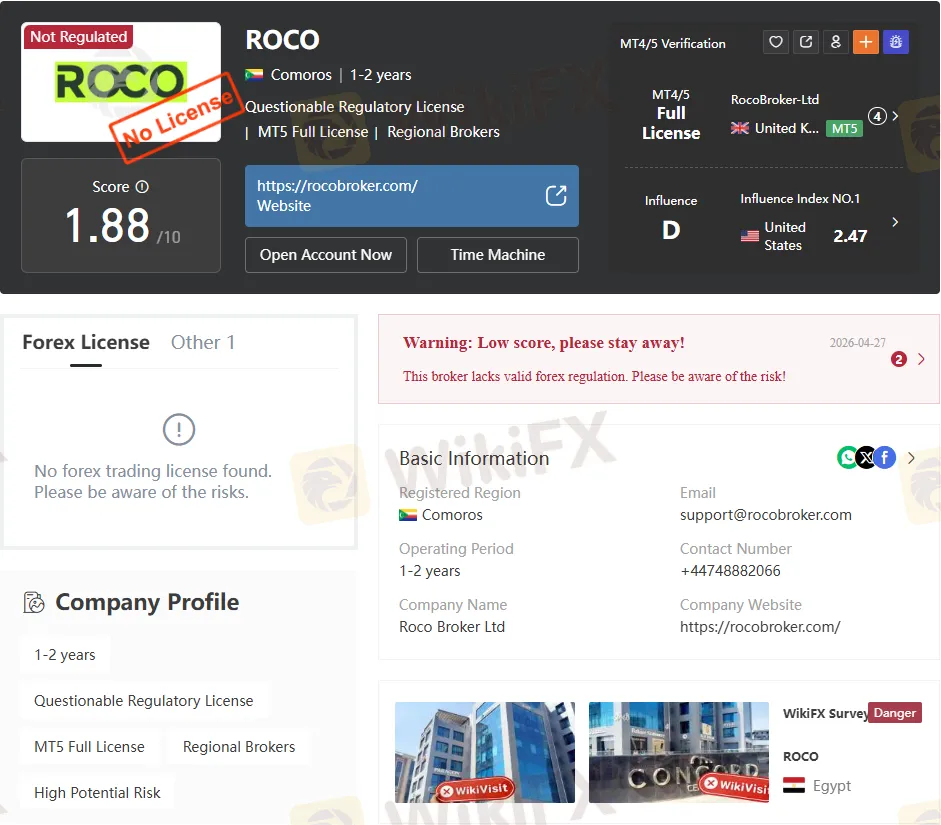
Due to its offshore status and specific license warnings, ROCO is considered high-risk; caution is advised for large capital.
How Do Users Access The ROCO Login Securely?
Managing your ROCO login securely is the first line of defense against unauthorized account access. The broker utilizes the MetaTrader 5 (MT5) infrastructure, which requires a unique account number and password. To ensure a secure login ROCO experience, traders should only download software from official sources and verify the URL before entering credentials. Given the regulatory complexities, maintaining a secure login is paramount to protecting personal financial data and ensuring that trades are executed within the intended account parameters.
What Trading Conditions Does ROCO Forex Offer?
The ROCO Forex environment is designed for diverse trading strategies, offering account types such as Standard, ECN, Professional, and Islamic. These accounts provide access to numerous trading pairs with leverage reaching up to 1:500. While the ECN account offers competitive spreads, the overarching ROCO regulation status remains a point of contention. The “Active” status of their MISA license is a formal step, yet the fine print regarding forex authorization necessitates that traders look closely at the brokers terms of service to ensure they are not trading through an unauthorized offshore entity.
Essential Features Of The WikiFX App For ROCO Traders
Before committing funds, utilizing the WikiFX App can provide a critical layer of secondary verification. The app offers several features that directly relate to monitoring a brokers status:
- Global Regulation Inquiry: Instantly verify the authenticity of the Mwali license and check for any regulatory updates or lapses.
- Exposure System: View real-time complaints and “Exposure” posts from other traders regarding withdrawal issues or slippage.
- Field Survey: Access reports from physical inspections of broker offices to confirm they have a legitimate operational presence.
- Risk Warnings: Receive automated alerts if the brokers safety score drops or if they are flagged for suspicious activity.
Conclusion
Navigating the complexities of ROCO regulation requires a balanced view of their offshore licensing and the documented warnings on their certification. While the ROCO login provides access to high-performance trading tools, the offshore nature of their oversight means traders must exercise a higher degree of due diligence. By combining official license data with the real-time monitoring tools available on the WikiFX App, investors can make more informed decisions about their participation in the Forex ROCO market.

ڈس کلیمر:
یہ مضمون صرف مصنف کی ذاتی رائے پر مبنی ہے، یہ پلیٹ فارم کی سرمایہ کاری کی مشورہ نہیں ہے۔ پلیٹ فارم مضمون کی معلومات کی درستگی، مکملیت اور بروقت ہونے کی کوئی ضمانت نہیں دیتا، اور مضمون کی معلومات پر اعتماد یا استعمال سے ہونے والے کسی بھی نقصان کی ذمہ داری قبول نہیں کرتا۔
WIKIFX بروکر
ایکسچینج ریٹ کا حساب
USD

CNY
موجودہ ایکسچینج ریٹ:0
براہ کرم رقم درج کریں۔
USD
تبادلہ کے قابل رقم
CNY
حساب شروع کریں 