

Broker Globale Piattaforma di Verifica Regolamentare
WikiFX
Italiano
简体中文
繁體中文
English
Pусский
日本語
ภาษาไทย
Tiếng Việt
Bahasa Indonesia
Español
हिन्दी
Filippiiniläinen
Français
Deutsch
Português
Türkçe
한국어
العربية
اردو


U.S.-Iran Tensions Escalate as Trump Threatens Strike on Nuclear Facility


Sommario:[Chart 1: U.S. and Iran Geopolitical Overview]Tensions between the United States and Iran continue to intensify. U.S. President Donald Trump stated that the United States does not depend on the Strait
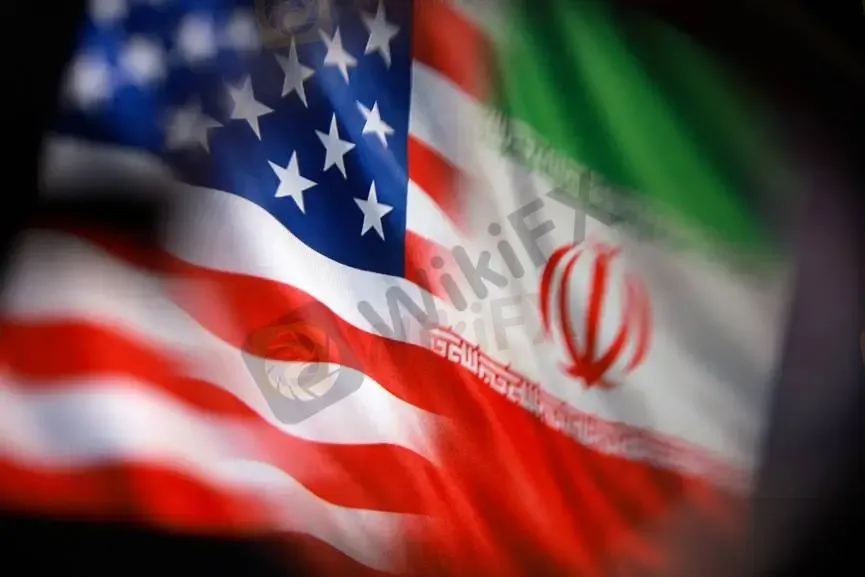
[Chart 1: U.S. and Iran Geopolitical Overview]
Tensions between the United States and Iran continue to intensify. U.S. President Donald Trump stated that the United States does not depend on the Strait of Hormuz and warned that if Iran attacks a single vessel, the U.S. would retaliate by striking critical infrastructure, including bridges or power plants.
Iran responded with equally strong rhetoric, declaring that it “will not allow a single drop of oil to leave the region” and warning that if the United States continues its provocations, regional oil, natural gas, electricity, and key economic infrastructure would become legitimate military targets. Iran's parliamentary speaker further stated that if Iran cannot export its oil, no other country should expect to do so, adding that if Iran's security is threatened, no infrastructure in the region can be considered safe.
U.S. Secretary of State Marco Rubio said Washington remains open to negotiations but warned that Iran would face “serious consequences” if it violates its commitments. Meanwhile, Trump approved a 30-year U.S.-Saudi civilian nuclear cooperation agreement, led by American companies, which could include uranium enrichment facilities inside Saudi Arabia, raising renewed concerns over nuclear proliferation in the Middle East.
The risk of a prolonged closure of the Strait of Hormuz has pushed energy prices sharply higher, with Brent crude climbing back above $95 per barrel. Iran reiterated that “no one will be allowed to export oil” while insisting the strait remains effectively closed. As fears of long-term supply disruptions resurface, geopolitical risk premiums have once again become the dominant driver of energy prices. Trump has also suggested that the U.S. would take control of the strait and impose transit fees, while Iran responded by reaffirming its “iron determination” to control the waterway and warned that any unauthorized passage would face decisive enforcement.
Trump also publicly threatened military action against Iran's deeply buried Koh-e Kolang Gaz La underground nuclear facility. Iranian officials warned that such a strike could ignite a broader regional war. Built more than 100 meters beneath solid rock, the facility is believed to be beyond the reach of most existing U.S. bunker-buster munitions. Reports also suggest that Iran has relocated thousands of uranium enrichment centrifuges into the fortified underground complex, further diminishing hopes for renewed nuclear negotiations.
The continued escalation between Washington and Tehran has transformed the Strait of Hormuz into one of the world's most critical geopolitical flashpoints. Trump's increasingly aggressive stance and Iran's uncompromising response underscore the collapse of mutual trust, while raising the likelihood of further military confrontation and diplomatic deadlock. Although the U.S.-Saudi nuclear agreement strengthens Washington's strategic influence in the Middle East, it also intensifies global concerns about nuclear proliferation.
In the near term, higher oil prices and growing supply disruption risks are expected to add upward pressure on global inflation, potentially limiting the Federal Reserve's policy flexibility and weighing on economic growth prospects. Over the longer term, regional stability is unlikely to return unless both sides resume meaningful negotiations, reach an enforceable ceasefire agreement, and ensure uninterrupted navigation through the Strait of Hormuz. Until then, geopolitical tensions are likely to remain one of the most significant sources of uncertainty for global financial markets, requiring investors to stay vigilant.
Risk Disclaimer
The opinions, analysis, research, price quotations, and other information provided above are intended solely as general market commentary and do not constitute investment advice or represent the official views of this platform. All investors are solely responsible for their own investment decisions and assume all associated risks. Please trade prudently.
Disclaimer:
Le opinioni di questo articolo rappresentano solo le opinioni personali dell’autore e non costituiscono consulenza in materia di investimenti per questa piattaforma. La piattaforma non garantisce l’accuratezza, la completezza e la tempestività delle informazioni relative all’articolo, né è responsabile delle perdite causate dall’uso o dall’affidamento delle informazioni relative all’articolo.
WikiFX Trader
AVATRADE
Sotto supervisione
vantage
Sotto supervisione
EC markets
Sotto supervisione
FOREX.com
Supervisione del paese
SBCFX
Sotto supervisione
Exness
Sotto supervisione
AVATRADE
Sotto supervisione
vantage
Sotto supervisione
EC markets
Sotto supervisione
FOREX.com
Supervisione del paese
SBCFX
Sotto supervisione
Exness
Sotto supervisione
