Abstract:CySEC flags five unlicensed trading websites targeting European investors and urges investors to exercise due diligence via its official register before depositing funds.
 Contents
Investor Alert Issued by CySEC
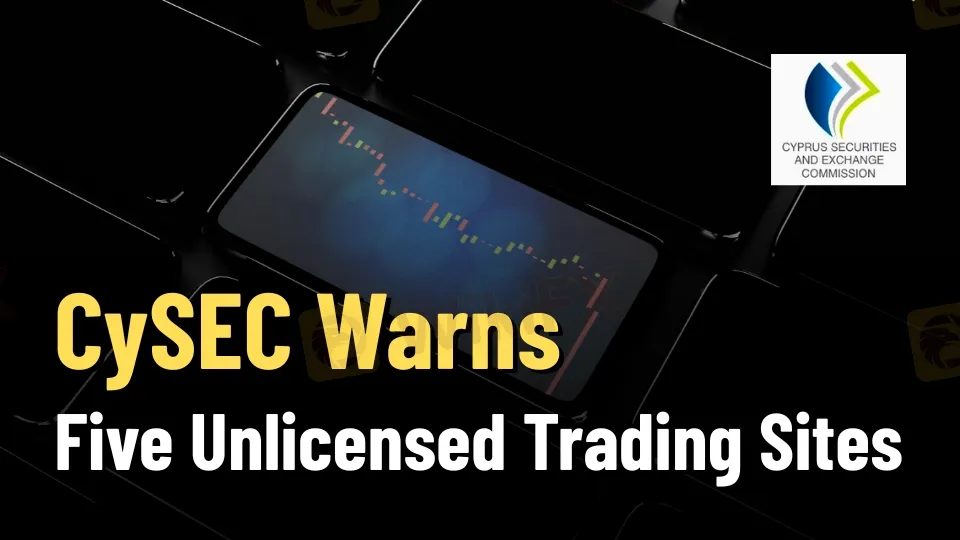
The Cyprus Securities and Exchange Commission (CySEC) has released a new warning identifying five trading websites that are not authorized to provide investment services under Cyprus law. Published on 18 December 2025, the notice underscores that these domains are not linked to any firm licensed under Article 5 of Law 87(I)/2017, the country's principal framework for investment services.
Websites Listed by CySEC
- extlimited.com
- networkfinancialservices.com
- gmx-trading.com
- eighttoro.com
- upfrontfoundation.net
CySEC advises investors to consult its official register before engaging with any platform claiming to operate in Cyprus. Only entities formally listed as licensed are legally permitted to provide investment services.
Why CySEC Issues These Warnings
Investor alerts have become a regular feature of CySEC's enforcement activity. Cyprus hosts a significant number of EU-regulated retail trading firms under MiFID II, making it a focal point for platforms targeting European investors.
While CySEC‘s notices stop short of detailed allegations, the implication is clear: the listed websites are either operating without authorization or misrepresenting their regulatory status. Similar warnings are routinely issued by other European regulators, including Germany’s BaFin, France‘s AMF, and Italy’s Consob.
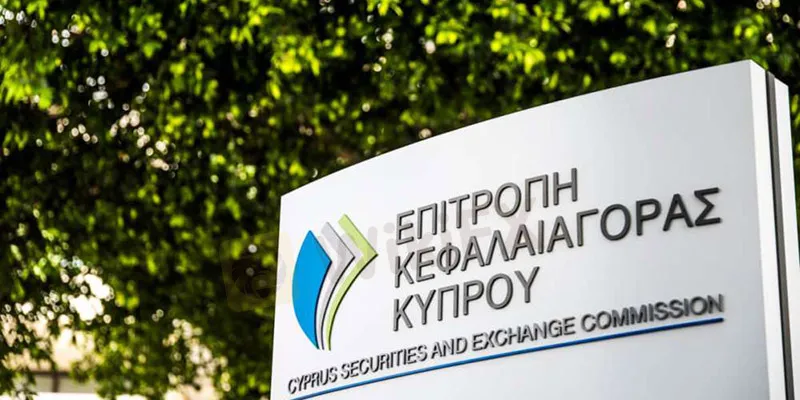
These alerts serve multiple purposes: they protect retail investors, provide reference material for banks and payment processors, and support cross-border supervisory cooperation.
Common Patterns in Flagged Platforms
CySEC's enforcement history shows two recurring categories:
1. Unlicensed Investment Platforms
These sites actively solicit clients while falsely claiming to be authorized. They often promote forex, CFDs, cryptocurrencies, or managed investment products, targeting multiple jurisdictions through online advertising.
2. Clone or Look-Alike Websites
Such platforms mimic the branding or regulatory language of legitimate firms to appear credible. They may use similar domain names, logos, or references to EU regulation without holding any license. For example, domains that add numbers or modifiers to well-known firm names are a common tactic used to mislead investors.
How Unauthorized Schemes Operate
European regulators have documented consistent tactics used by unauthorized platforms:
- Initial contact via social media ads, messaging apps, or cold calls.
- Promises of unusually high returns.
- Assignment of an “account manager” to guide deposits and trading.
- Display of fabricated account balances to encourage further funding.
- Withdrawal delays, hidden fees, or tax claims.
In many cases, communication eventually ceases. Regulators also warn about follow-on recovery scams, in which fraudsters pose as regulators or law firms to extract additional payments.
CySEC's Guidance for Investors
CySEC emphasizes that investors must independently verify a firm's authorization before transferring funds or sharing personal information. Its public register lists licensed entities, approved domains, and the specific services each firm is permitted to provide.
The regulator also clarifies that it does not contact individuals directly about investments and that it never requests payments to recover losses. Any communication claiming to originate from CySEC outside official channels should be treated as suspicious.
Broader Implications
The frequency of such warnings highlights ongoing challenges in regulating online trading platforms. As digital finance expands, regulators face increasing pressure to safeguard retail investors against unauthorized schemes. CySEC's proactive alerts underscore the importance of vigilance, transparency, and cross-border cooperation in maintaining trust in Europes financial markets.