Abstract:Forecasts for central banks as policymakers continue to change interest rates in response to global inflation concerns
Click Here: After you read it, Daily Routine with WikiFx
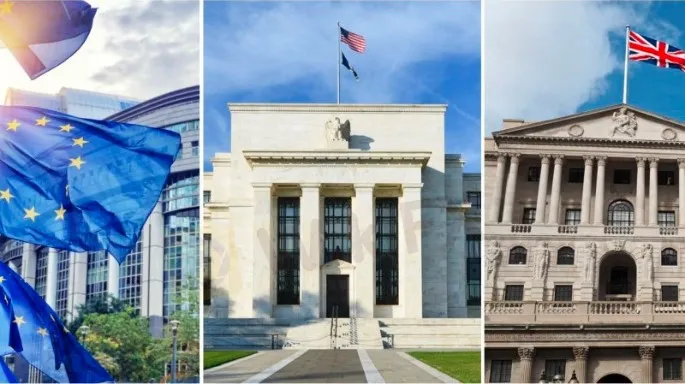
Federal Reserve
Call to action: Rate hikes of 50bp in June, July, and September, then 25bp in November, December, and February 2023 when QT is felt. 2H 2023 rate cuts
Due to robust domestic demand, businesses can pass on higher energy, commodity, labor, and supply chain expenses to customers. The Fed wants to better match demand with supply capability. With weaker growth and the danger of an unfavorable reaction, we predict the Fed to become more neutral by late 2023.
With pay increases accelerating due to continued employment shortages, we face higher and longer inflation. In the event of a recession, the Fed's policies will be reversed more quickly.
ECB
So, rate increases in July and September, with a possible third in December before halting.
The ECB is pushed to act sooner by rising inflation, fears that the window to intervene may be closing soon, and increased economic uncertainty. In recent weeks, official comments have indicated a growing consensus to normalise monetary policy, which means eliminating net asset purchases and negative deposit rates. Only the timing is up for debate. Beyond normalisation, however, substantial public debt, investment needs, potential loss of competitiveness, and the prospect of looser monetary policy elsewhere militate against rate hikes.
Call risk: In the event of an end to the Ukrainian conflict, wage pressures from reshoring and labour shortages might keep the ECB hawks in charge and push for more rate hikes in 2023.
Bank of England
Rate hikes in June and August, then a hiatus.
After four rate hikes, the committee has become more cautious, implying markets are overestimating future raises. Inflation would be substantially below target in two to three years if it increased six more times, according to its current predictions. While markets expect a similar rise profile to the Fed, the UK's more European' growth outlook suggests less urgent need for aggressive tightening.
Risk to our call: If the growth narrative turns out to be better than expected, the committee's hawks may push for a higher terminal rate by early 2023. Like our Fed call, it would unavoidably push the first rate cut ahead.
Bank of Japan
Expect the Bank of Japan to keep its accommodating policy.
The CPI will climb and stay above 2% for a time, but the BoJ will dismiss it as transient cost-push inflation. No action by the BoJ is likely before year's end, according to market forecasts.
It's possible that the bank will change course once Governor Haruhiko Kuroda departs in April.
Bank Of Canada
Our call: 250bp further rate hikes to 3.5 percent over three sessions.
Reasoning: A solid job market and a concentration on commodity production could propel the Canadian economy in 2022 and 2023. While the property market remains strong, inflation is at 30-year highs. Concerned about rising inflation expectations, the BoC is rapidly shrinking its balance sheet and raising interest rates.
Calling risks: Mostly favorable given the outlook for the economy, especially if labor shortages worsen and wage growth increases. Notably, the BoC is more interventionist/reactionary than the Fed. Since 2000, the BoC has raised rates six times compared to the Fed's four.
Reserve Bank of Australia
Our call: monthly rate hikes through the end of the year.
The RBA is finally free of the dovish constraints it imposed on itself by raising rates by 25bp in May. On May 18, the wage price index will be released. This should secure a 25bp rate hike in June, and possibly more hikes in July and August. Even if inflation and growth stay high, markets have priced in an overly aggressive RBA tightening path this year.
Risk to our call: Higher wages and inflation combined with strong growth might see the RBA tighten to 50bp in future meetings.
Click Here: After you read it, Daily Routine with WikiFx