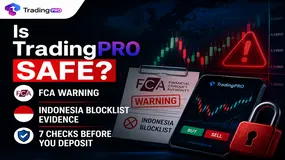
Abstract:Forex remains a very popular form of investment, but it can be hard to spot the scams online. Take a look at our tips to hep you spot legitimate forex trading platforms and avoid getting scammed.
Foreign exchange fraud is a collective term referring to any scheme that intends to defraud traders through deception, convincing investors of high returns by trading on the forex market. In essence, the foreign exchange market is a zero-sum game, wherein one person experiences gains while another suffers from losses.
We all know by now that online investments are pretty risky. This is especially true in the foreign exchange landscape. There is an abundance of forex scams online, initiated by scammers who get their confidence from the Internets anonymity. Identifying a scam from a legitimate forex trading activity is imperative to protect yourself from financial ruin.
Aggressive forex brokers
Recovery from a forex scam can be arduous and slow for its victims. Before you become one, it is best to recognize the typical warning signs. Legitimate forex traders are not aggressive when marketing their expertise or service to prospective investors. On the other hand, if a few forex brokers or companies persistently contact you whom you do not know personally, it is best to proceed with caution. If you are interested in forex trading, seek references from people you know.
Exaggerated claims of high returns
A classic indicator of a forex fraudster is exaggerated claims of massive returns on modes investments. It is most likely a scam if you are promised guaranteed high returns. The success of your investment is highly dependent on a highly volatile market. You may receive returns quickly, or you may not. But a company that purports consistently high returns is giving you false claims because it is not feasible in the foreign exchange trading market.
High spread offers
The standard spread ranges between two to three points in USD/EUR. Be cautious when approached by a forex trader that offers up to seven points spreads. Bear in mind that major currency pairs have a price of four decimals.
Use of complicated jargon
Forex scammers take advantage of their knowledge of the forex exchange market by using complicated jargon when preying on their victims. Terms like risk disclosures and terms of use are often used to limit their liability should investors suffer losses along the way.
Withdrawal restrictions
If you are attempting to withdraw funds from your account and cannot do so, it might be time to start worrying about your investment. If a broker provides you with a vague explanation or unclear apology when this happens, you need to re-consider your investment, or better yet, pull out before losing more money.
Blacklisted broker
Avoid brokers who fail to provide you with the proper credentials at all costs. You want a trustworthy person to manage your account. Do due diligence and check out regulating bodies to verify if a forex broker has a good legal standing in the foreign exchange market.
Conclusion
It is recommended to partner with a regulated broker with a well-established reputation, flawless track record, and has positive feedback from previous and existing investors to avoid becoming a victim of a foreign exchange trading scam. While the allure of quick returns is hard to dismiss, it is best to err on the side of caution and be more thorough in your vetting process.