Abstract:The rise of the internet has revolutionized the way people invest and trade in the Forex market. However, with the increase in online trading, there has also been an increase in cloned Forex brokers.
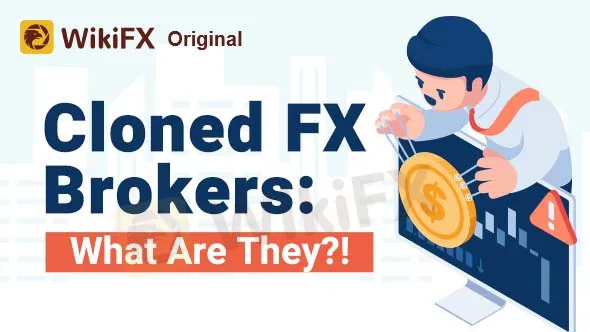
The rise of the internet has revolutionized the way people invest and trade in the Forex market. However, with the increase in online trading, there has also been an increase in cloned Forex brokers. These cloned Forex brokers can be a significant risk for traders who may unwittingly sign up for a scam website, deposit funds, and potentially lose their money. In todays article, WikiFX will guide our readers to explore why people fall for cloned Forex brokers, why these clones are created, and the risks associated with them. Additionally, we will discuss how traders can avoid falling for these scams.
One of the primary reasons why people fall for cloned Forex brokers is (blind) trust. Many traders trust the Forex brokers they work with and may not be aware that cloned websites exist. Scammers create cloned Forex broker websites that look almost identical to legitimate websites, and it can be hard to tell the subtle differences. Additionally, these scammers may offer better deals or lower fees to entice people to sign up and deposit funds, which can be enticing for traders who are looking to save money or get a better deal.
Another reason why people may fall for cloned Forex brokers is a lack of knowledge. Some people may not be familiar with Forex brokers and may not know how to tell the difference between a legitimate website and a clone website. This lack of knowledge can make them vulnerable to scammers who take advantage of their ignorance.
Just recently, Spains financial watchdog, the National Securities Market Commission (CNMV) flagged pepperstoneld.com and primusfx.net which it believes are clones of Pepperstone and FXPrimus, which are two well-established brokerages within the industry.
Clone websites are created to scam people out of their money. The risks associated with these websites can be severe. Scammers may use clone websites to steal personal and financial information from people who sign up and make deposits. This information can be used for identity theft and fraud, leading to legal issues for the people who unwittingly signed up for the clone website. Additionally, people who sign up for clone websites may deposit funds, but those funds may never be returned. Scammers may take the money and run, leaving people without their money.
To avoid falling for cloned Forex brokers, traders should do their research in a thorough manner. They should make sure the Forex broker they are considering is legitimate by checking online reviews and ensuring that the broker is regulated by a reputable organization. Additionally, traders can contact the broker directly and ask them about the website if they are unsure if it is a legitimate clone or a scam. It is also essential to use secure payment methods such as credit cards or PayPal to protect their financial information. It is important for traders to always stay cautious and not let themselves be pressured into signing up or depositing funds if a deal seems too good to be true.
Last but not least, let us not forget the almighty and free WikiFX that is available for download on both Google Play and App Store! WikiFX is a platform that can efficiently help users avoid falling for cloned Forex brokers. It achieves this by offering a comprehensive database of Forex brokers and their regulation status, a blacklist of fraudulent Forex brokers, a warning system that alerts traders to potential fraud, educational resources on how to identify and avoid cloned Forex brokers, and personalized customer support. These resources empower traders to make informed decisions and protect themselves from the risks associated with cloned Forex brokers.