Abstract:Choosing a regulated broker is a crucial step for anyone looking to venture into financial markets.
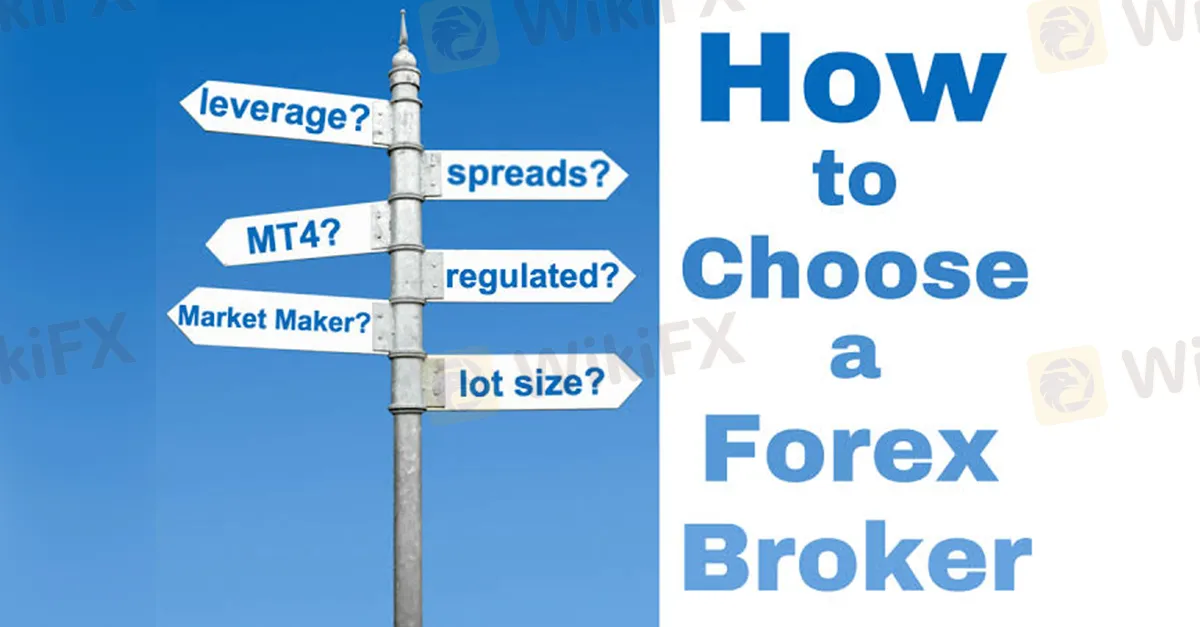
Regulated brokers provide a level of transparency, security, and trustworthiness that is essential for investors. In this article, we will explore the importance of selecting regulated brokers and highlight WikiFX as a reliable platform to aid in the decision-making process.
The Significance of Regulated Brokers:Regulation ensures that brokers adhere to specific standards and guidelines set by regulatory authorities. These regulations are designed to protect investors' interests and promote fair practices within the financial industry. When selecting a regulated broker, consider the following factors:
Safety of Funds: Regulated brokers are required to keep client funds segregated from their own operating funds. This segregation protects investors' funds, ensuring they are available for withdrawal even in the event of the broker's insolvency.
Investor Protection: Regulated brokers offer safeguards against fraudulent activities, including money laundering, unauthorized trading, and misuse of client funds. Regulatory authorities enforce strict compliance, providing investors with recourse in case of misconduct.
Market Integrity: Regulated brokers contribute to the overall integrity of the financial markets. By adhering to regulatory standards, they help prevent market manipulation, insider trading, and other illegal activities that could harm investors.
Transparent Operations: Regulated brokers are required to provide transparent information about their services, fees, and trading conditions. This allows investors to make informed decisions based on accurate and reliable data.
Using WikiFX as a Reliable Platform:WikiFX is a trusted platform that assists investors in choosing regulated brokers. Here's how WikiFX can be a valuable resource in your broker selection process:
Comprehensive Broker Database: WikiFX maintains an extensive database of brokers worldwide, providing detailed information about their regulation, licenses, and compliance history. Users can access this database to research brokers and evaluate their credibility.
User Reviews and Ratings: WikiFX features user reviews and ratings for brokers, offering insights into the experiences of other investors. This information helps prospective investors gauge the reputation and service quality of different brokers.
Regulatory Information: WikiFX provides detailed information about the regulatory authorities governing each broker. This includes verifying the licenses and registrations of brokers to ensure they are operating within legal frameworks.
Risk Warning System: WikiFX employs a risk warning system that alerts users about potential risks associated with specific brokers. This helps investors make informed decisions and avoid untrustworthy or high-risk brokers.
Educational Resources: WikiFX offers educational resources, articles, and guides to enhance investors' understanding of the forex and financial markets. These resources empower users to make knowledgeable decisions when selecting regulated brokers.
Conclusion:Selecting regulated brokers is essential for safeguarding your investments and ensuring a secure trading experience. Platforms like WikiFX can play a valuable role in this process by providing comprehensive information, user reviews, and regulatory insights. By utilizing the resources available on WikiFX, investors can make informed decisions and choose brokers that meet their needs while adhering to regulatory standards. Remember, a regulated broker is a foundation for successful and secure trading in the financial markets.

Disclaimer:
The views in this article only represent the author's personal views, and do not constitute investment advice on this platform. This platform does not guarantee the accuracy, completeness and timeliness of the information in the article, and will not be liable for any loss caused by the use of or reliance on the information in the article.