Abstract:Discover FTX's downfall: SBF's fraud, lavish excess, and critical lessons for the future of cryptocurrency. A tale of ambition and reckoning.
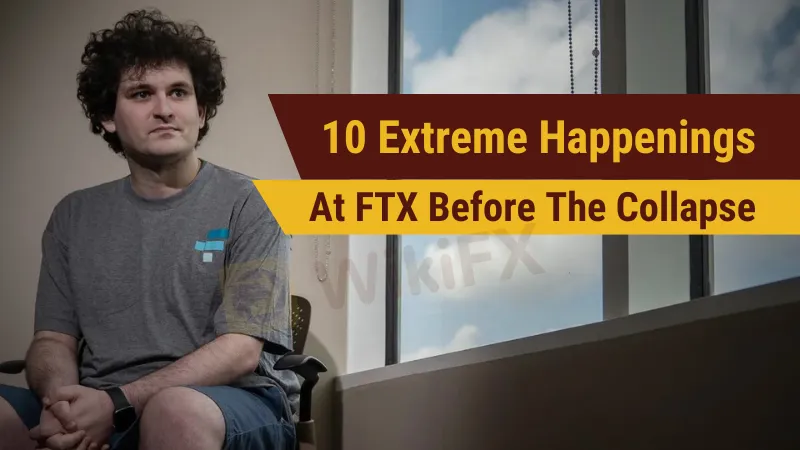
The cryptocurrency industry witnessed one of its most dramatic downfalls with the bankruptcy of FTX in November 2022. The saga of FTX's rise and fall, along with the legal predicaments of its founder, Sam Bankman-Fried (SBF), is a tale of ambition, excess, and stark repercussions.
 Contents
1. FTX's Amazing Demise
The collapse of FTX, formerly a dominating player in the cryptocurrency exchange sector, sent shockwaves across the financial world. The failure revealed a terrible truth: SBF had been secretly moving client monies to Alameda Research, his other firm.
2. The SBF Legal Maze
The legal problems facing SBF are daunting. In a Manhattan trial, he was convicted on seven charges of fraud and conspiracy and faces a sentence of more than a century in prison. His transformation from a lauded millionaire and crypto luminary to a discredited person serves as a sobering reminder of how rapidly fortunes can change.
3. Opulence and Extravagance at FTX

Post-bankruptcy leaks portrayed an image of FTX's senior hierarchy living lavishly. SBF and his associates lived in a $35 million condominium in the Bahamas, the headquarters of FTX. This opulent 12,000-square-foot property included stunning ocean views as well as custom facilities such as a private spa and a large outdoor pool and jacuzzi.
4. Intriguing Interpersonal Dynamics
The interpersonal dynamics inside FTX's inner circle were complicated and interconnected, particularly amongst major actors such as Caroline Ellison, Gary Wang, and others. These professional and personal ties were important to the company's culture and served as a focal point amid court procedures and public scrutiny.
5. The Culture of Excessive Spending
FTX's corporate culture was marked by excessive spending. SBF and his team's lunch bills often totaled thousands of dollars, with regular spending sprees reaching $10,000 daily. Their preferred dining spot, Cocoplum, was conveniently located near their headquarters.
6. Unique Approach to Employee Wellness

In a unique approach to employee wellness, FTX employed a psychologist to offer career coaching and advice on personal relationships. This strategy was particularly aimed at maintaining employee morale in the Bahamas, a location with limited social and entertainment options.
7. The Infamous Million-Dollar Door
A notable episode in FTX's history involves a costly renovation following a dispute over a doorway in their Hong Kong office. This incident, involving the removal and replacement of a doorway for $1 million, underscores the lavish and often whimsical spending habits within the company.
8. Desperate Measures in Crypto Security
During the bankruptcy turmoil, an FTX adviser resorted to storing $500 million worth of cryptocurrency on a USB stick, highlighting the chaotic and precarious state of the company. This desperate measure underscored the vulnerability and lack of preparedness in dealing with crises.
9. A Revealing Moment of Crisis
The moment FTX employees discovered the company's bankruptcy was startlingly ordinary yet profound: a declined company card during a routine food order. This seemingly trivial incident unveiled the grim reality of FTX's financial instability.
10. Broader Consequences and Lessons Learned
The demise of FTX is more than simply a tale of corporate failure; it is a warning tale for the whole cryptocurrency business. In the volatile realm of digital currencies, it emphasizes the significance of transparency, ethical management, and strong regulatory frameworks.
In conclusion, the FTX Odyssey is a complicated story of ambition, mistakes, and legal obstacles. Its influence goes beyond the people directly engaged, serving as a defining lesson for the Bitcoin sector as a whole. It emphasizes the significance of ethical principles and regulatory control in a profession characterized by dynamism and unpredictability. The FTX and SBF stories will surely serve as a point of reference and learning in the ever-changing environment of Bitcoin and digital finance.