Abstract:The Philippine peso reached a 5-month high in August, closing at P56.111:$1, driven by lower inflation and regional currency trends.
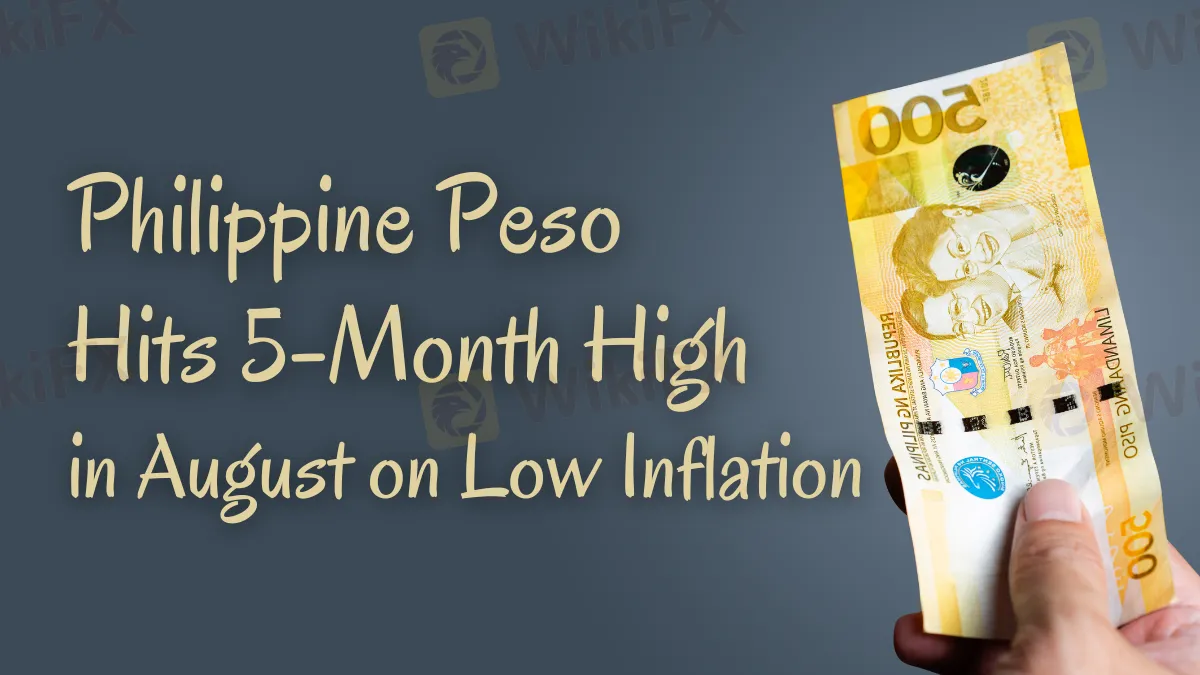
Manila, Philippines — The Philippine peso rose to its highest level in five months at the end of August, boosted by a hopeful decline in inflation rates. On the month's last trading day, the peso rose 17.2 centavos versus the US dollar, ending at P56.111:$1 on Friday, up from P56.283:$1 on Thursday. This is the greatest performance of the local currency since March 21, 2024, when it ended at P56.03 per $1.
 Contents
Central Bank's Inflation Forecast Spurs Peso Strength
The recent rise of the Philippine peso has been primarily attributable to the Bangko Sentral ng Pilipinas (BSP)'s estimate of reduced inflation in August. According to the BSP, the month's inflation rate is predicted to fall between 3.2% and 4%, a significant decrease from the 4.4% reported in July. This upbeat projection has encouraged confidence in investors and market players, leading to the peso's gain.
Michael Ricafort, chief economist of Rizal Commercial Banking Corp. (RCBC), said that the BSP's prediction was critical to the peso's upward trajectory. The central bank's inflation forecast predicts a gradual reduction of pricing pressures, which is good for the peso's value versus foreign currencies, notably the US dollar.
Regional Currency Movements and OFW Remittances Support the Peso
The recent performance of the Philippine peso mirrors wider regional trends. Ricafort remarked that the peso has been catching up to the greater gain witnessed in other ASEAN and Asian currencies over the last month. This tendency has been impacted by the rapid net appreciation of the Japanese yen versus the US dollar, which has repercussions on other regional currencies, notably the peso.

Furthermore, the seasonal rise in Overseas Filipino Workers (OFW) remittances, which normally peaks toward the start of the school year, has offered extra support to the peso. These payments were converted into pesos for tuition and other school-related expenditures, which boosted the local currency even more.
Outlook for the Philippine Peso Remains Positive
Looking forward, the peso is projected to continue rising. The currency has gained 2.8% after reaching a low of 57.28 per dollar in June. Ricafort expects the peso to rise further, reaching P56.5 per dollar by the end of the year.
This upbeat forecast is in sharp contrast to the scenario only a few weeks ago, when the peso was under substantial downward pressure. The BSP was forced to act to safeguard the currency at the time because inflation had suddenly risen in July. However, with inflation on the decline and the BSP likely to remain cautious on rate decreases, the peso's chances have greatly improved.
Philippine Peso Among Top Performers in Asia
The Philippine peso has recently emerged as one of Asia's best-performing currencies. Last week, it performed second best versus both the US dollar and the Japanese yen. This performance demonstrates the currency's resiliency in the face of recent dollar swings and the unwinding of carry bets backed by the yen.
The peso's strength will likely be impacted by inflation trends, remittance flows, and regional currency movements during the year. For the time being, the local currency's five-month high in August is a good indication of the Philippine economy.
Stay informed on the latest financial trends and how they impact you. Visit WikiFX News now for in-depth coverage and expert analysis on the Philippine peso's recent rise and more. Don't miss out!