Abstract:Social media platforms have become breeding grounds for scammers posing as investment gurus, exploiting the growing interest in forex and cryptocurrency trading among Malaysians. Fraudulent "financial experts" often create the illusion of legitimacy by offering enticing stock analyses and promises of high returns.
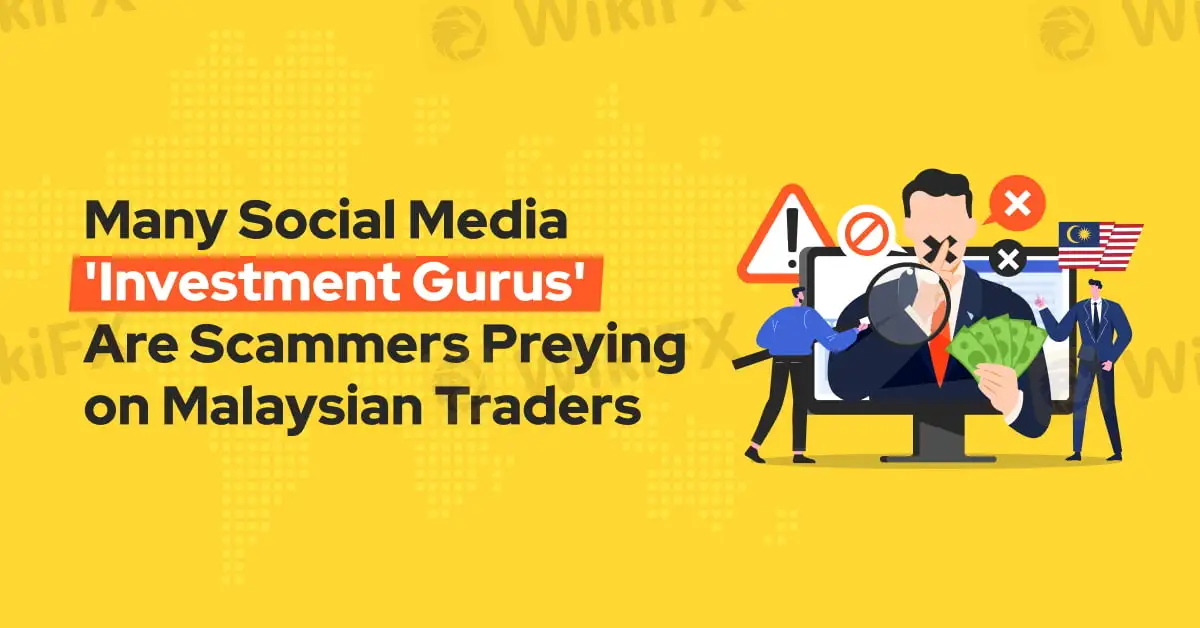
Social media platforms have become breeding grounds for scammers posing as investment gurus, exploiting the growing interest in forex and cryptocurrency trading among Malaysians. Fraudulent “financial experts” often create the illusion of legitimacy by offering enticing stock analyses and promises of high returns. However, behind the façade lies a network of deceit that preys on unsuspecting victims.
The Malaysia Cyber Consumer Association (MCCA) has raised concerns about this alarming trend, noting that scammers have become increasingly adept at stock analysis and financial jargon. These fraudsters use messaging apps like WhatsApp to lure individuals into joining “financial groups” that promote fake investment opportunities. MCCA president Siraj Jalil stresses the importance of only engaging with companies approved by Bank Negara Malaysia or the Securities Commission Malaysia to avoid falling victim to such schemes.
Adding to the warnings, Daniel Khoo of the Malaysian International Humanitarian Organisation (MIHO) highlights how scammers leverage social media platforms to cast their net wider. He urges the public to be cautious, avoid engaging with unsolicited financial groups, and leave these groups immediately if added unknowingly. “It is human nature to want more money, but greed can backfire, especially when we lack knowledge about financial trading,” Khoo warns.
One notable case shared on LinkedIn by user Kang Yew Jin illustrates how scammers operate. Kang was added to a WhatsApp group where a so-called “teacher” provided daily stock analysis. Suspicious of the group's authenticity, Kang investigated the associated company with the Companies Commission of Malaysia and found it to be dubious. His efforts to alert other group members led to his removal, further proving the fraudulent nature of the group.

While scammers use deception to steal directly from victims, legitimate forex and crypto brokers may also impose hidden costs that traders often overlook. These include spreads, overnight swaps, and slippage, which can quietly erode profits if not properly understood.
Spreads, for instance, refer to the difference between the buying and selling price of an asset. Although brokers often advertise low spreads, these costs can accumulate significantly, especially for traders who frequently open and close positions. High-frequency trading, in particular, amplifies the impact of even the smallest spread, making it essential for traders to calculate the long-term effects on their profits.
Overnight swaps, or rollover fees, are another hidden expense that traders must consider. These fees are charged for holding a position overnight and vary depending on market conditions and the broker‘s policies. Over time, these seemingly small charges can eat into a trader’s profits, particularly for those who hold positions for extended periods without considering the cumulative costs.
Slippage, a lesser-known but equally critical factor, occurs when a trade is executed at a price different from the one expected. This discrepancy often arises during periods of high market volatility or when there is insufficient liquidity. For traders unaware of its impact, slippage can lead to unexpected losses, further highlighting the importance of understanding a brokers execution policies.
The rise of online trading has made financial markets more accessible than ever, but it has also created opportunities for fraudsters and unscrupulous brokers. To protect themselves, traders must remain vigilant. Verifying a broker‘s regulatory status with Bank Negara Malaysia or the Securities Commission Malaysia is a crucial first step. Regulatory oversight ensures that the broker adheres to strict standards, providing a layer of security for traders’ funds.
Equally important is the need to avoid joining financial groups or “investment clubs” on messaging apps unless their legitimacy has been thoroughly confirmed. Many scammers operate within these groups, using them as a platform to lure unsuspecting victims. Traders should also take the time to investigate all fees associated with a broker, including spreads, overnight swaps, and withdrawal conditions. Hidden costs can severely impact profits if overlooked, making transparency a vital criterion when selecting a broker.
Lastly, traders must remain sceptical of “gurus” offering guaranteed profits. No legitimate investment is risk-free, and promises of extraordinary returns often signal a scam. A cautious and informed approach to trading is the best defence against financial loss.