Abstract:Hong Kong passes a stablecoin bill, launching a licensing regime for fiat-backed tokens to enhance digital finance and investor protection.
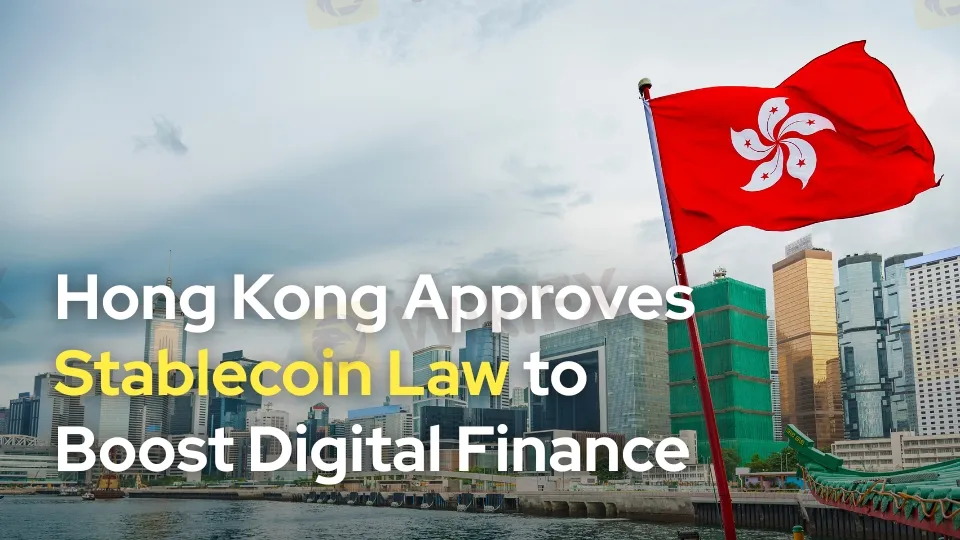
Hong Kong‘s lawmakers passed a bold new law to regulate stablecoins, putting the city on the map as a top spot for digital money and Web3 progress. This law sets up a system where stablecoin creators must get a license and ensure their tokens are backed by real money, like dollars, to keep things safe and reliable. It’s a big step in Hong Kongs plan to lead in Web3, especially as mainland China cracks down on crypto.
The law says companies wanting to issue stablecoins need a license from the Hong Kong Monetary Authority (HKMA), and they can start applying by the end of 2025. Johnny Ng, a lawmaker who‘s all in on blockchain, called it a game-changer. “This sets Hong Kong up to pull in big players from around the world,” he posted on X. Ng’s ready to help by linking global companies with local officials and partners to make things smooth.

While other places struggle to figure out crypto rules, Hong Kong is moving fast. This stablecoin law builds on other recent changes, like new guidelines for crypto exchanges and staking from the Securities and Futures Commission (SFC) in April 2025. Those rules say exchanges need the approval to offer to the stake, must keep full control of staked assets, and have to be clear about fees, lock-up times, and risks. Funds heavily into digital assets also need to match staking with their goals and get investor approval.
This new law is set to shake up payments, make cross-border trade easier, and improve direct transactions between people. Ng pointed out that stablecoins that pay interest could make the market steadier and get more people using them. Numbers back this up: interest-paying stablecoins hit $11 billion in 2025, making up 4.5% of the market, way up from $1.5 billion and 1% at the years start.
Hong Kong‘s clear rules stand out against the confusion in other big markets. By being one of the first to set up a full stablecoin framework, the city is ready to draw in companies and investors looking for a safe, open place to work. Ng’s offer to guide firms through the rules shows Hong Kongs eagerness to team up globally.
The SFC‘s staking rules also show Hong Kong’s forward-thinking vibe. Exchanges now have to report staking to regulators, keeping things honest and protecting investors. Funds with more than 10% in digital assets face similar rules, like explaining risks and avoiding risky bets. These steps aim to mix innovation with safety, building trust in Hong Kongs digital money scene.
While other countries lag on stablecoin rules, Hong Kong‘s big moves could set the tone. Its focus on clear rules and strong systems puts it in line to grab a big piece of the Web3 market. Stablecoins are seen as a link between old-school banking and new digital systems, and Hong Kong’s setup could speed up their use in daily life and global trade.
This law is a clear sign Hong Kong wants to lead in the Web3 world. By making a friendly space for digital asset businesses, the city is updating its financial systems and setting a high bar for smart crypto rules. As the 2025 licensing window nears, everyone‘s watching to see how Hong Kong’s Web3 vision plays out.