Abstract:Bitcoin has once again broken its all-time high, attracting attention from traders, investors, and media outlets around the world. But there’s something else rising quietly in the background, as scams are on the rise too!
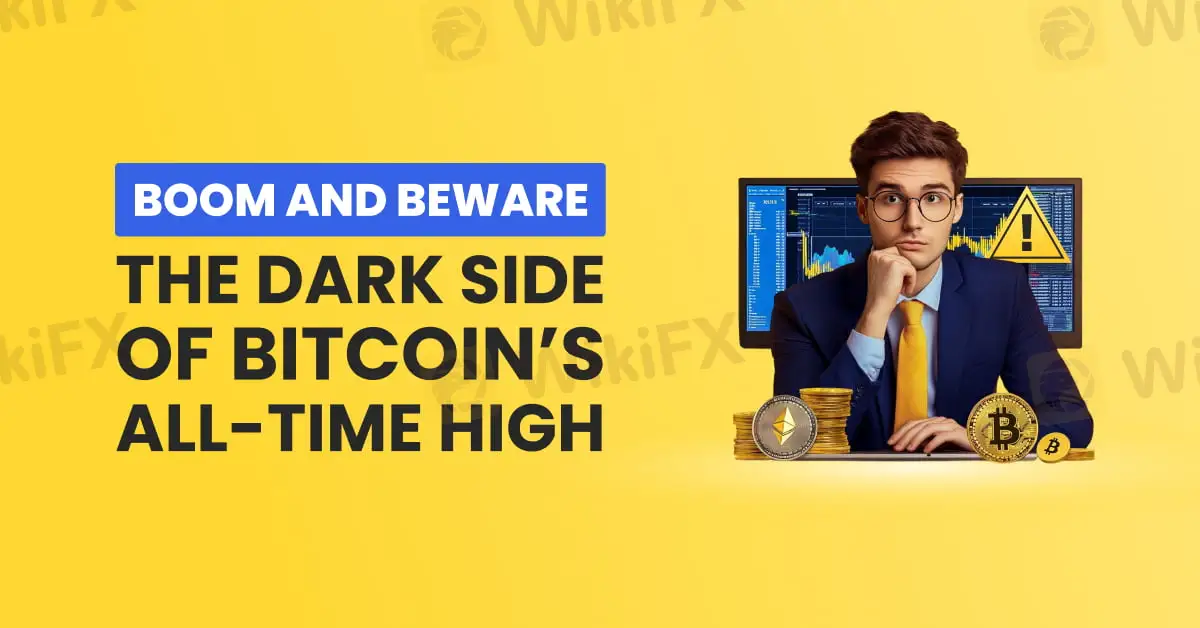
Bitcoin has once again broken its all-time high, attracting attention from traders, investors, and media outlets around the world. Excitement is rising fast, and many people are rushing to join the rally. But theres something else rising quietly in the background, as scams are on the rise too.
Every time a major asset sees a strong price increase, scammers follow close behind. They know that when people are excited about making money, they‘re more likely to take risks and less likely to spot red flags. The cryptocurrency market, in particular, gives scammers a lot of room to operate. It’s global, fast-moving, and often poorly regulated.
Recently, security experts have seen a sharp rise in fraud linked to Bitcoin and other digital assets. Some scams involve fake trading platforms that look real but steal your money the moment you deposit. Others use social media to pretend to be staff from trusted exchanges, asking users to share private information or send their coins to a “safe wallet”, which is, of course, run by the scammer.
We‘ve seen this happen before. Just a few months ago, when gold prices hit a new record, scammers used the same tactics. They sold fake gold coins, sent out phoney newsletters, and even offered shares in gold mining companies that didn’t exist. Whether its gold or Bitcoin, the pattern is clear: big price surges attract bad actors.
One big reason these scams work is that they play on emotions, especially fear of missing out, or FOMO. When people see others making quick profits, they often act without thinking. Scammers know this and use it to their advantage.
It‘s important to remember that Bitcoin’s popularity doesn‘t make it risk-free. In fact, because of its decentralised nature, it can be more dangerous. Once your coins are gone, there’s often no way to get them back. Theres no bank, no hotline, no refunds.
That doesn‘t mean you should avoid crypto entirely. But you do need to be careful. Make sure you use well-known platforms, turn on two-factor authentication, and never share your wallet’s private keys with anyone. If something sounds too good to be true, it probably is.
As Bitcoin reaches new highs, more people will be drawn in. That‘s part of what makes these moments exciting. But it's also why this is the time to be more alert than ever. Scammers are watching the market too, and they’re ready to take advantage.
So while you celebrate the gains, remember this simple rule: when Bitcoin booms, scammers do too.

Conducting due diligence before investing is crucial, and independent verification tools such as WikiFX can be instrumental in assessing the legitimacy of brokers and investment firms. The WikiFX mobile application, available on Google Play and the App Store, provides comprehensive insights into brokers regulatory status, customer reviews, and safety ratings. By leveraging such resources, investors can make informed decisions and avoid the financial devastation caused by fraudulent schemes.