Abstract:London Stock Exchange Group (LSEG) launches a £1 billion share buyback program, partnering with Goldman Sachs for a capital reduction initiative through 2025.
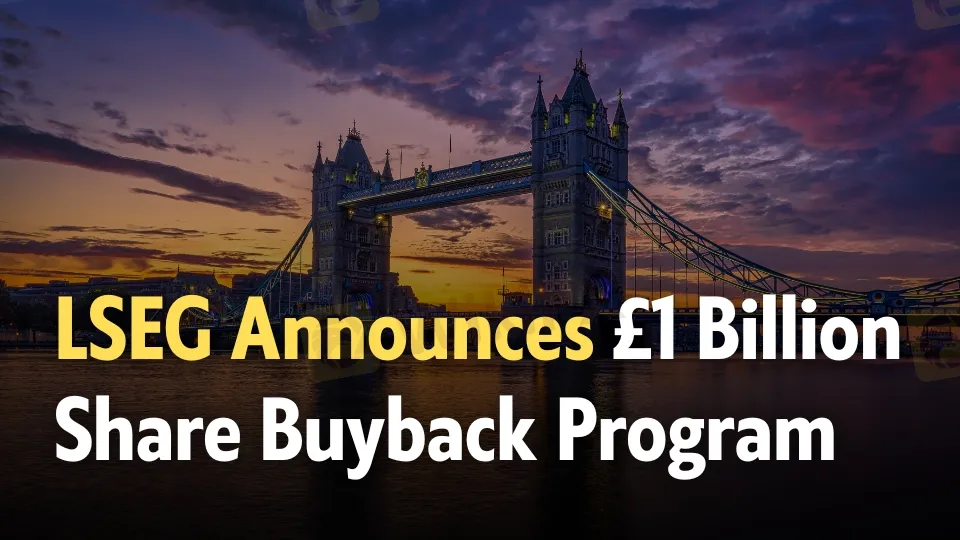
The London Stock Exchange Group has set the markets buzzing with the debut of its LSEG share buyback 2025, a plan to repurchase up to £1 billion of ordinary shares carrying a 6 79/86 pence nominal value. Announced only days after the London Stock Exchange Group interim results H1 2025 showed resilient revenue growth, the initiative underscores management‘s confidence in the exchange operator’s cash-generation firepower while promising investors a leaner equity base.
At the heart of the move is a freshly inked Goldman Sachs LSEG buyback agreement. Under this irrevocable mandate, Goldman Sachs International share buyback LSEG will act as risk-free principal, sourcing stock in the open market within preset parameters but exercising full autonomy over trading decisions. The window opens immediately and closes no later than 19 December 2025, giving Goldman sufficient runway to execute even in periods of thinner liquidity.
The programmes overriding aim is a straightforward LSEG share capital reduction buyback. Shareholders granted the board authority at the 1 May 2025 AGM to repurchase up to 53,060,997 shares; following a recently completed tranche with Morgan Stanley, 50,799,470 shares remain available. By cancelling the stock it repurchases, LSEG anticipates enhancing earnings per share and optimising capital allocation, a strategy the board believes will complement ongoing investments in data-and-analytics growth corridors.
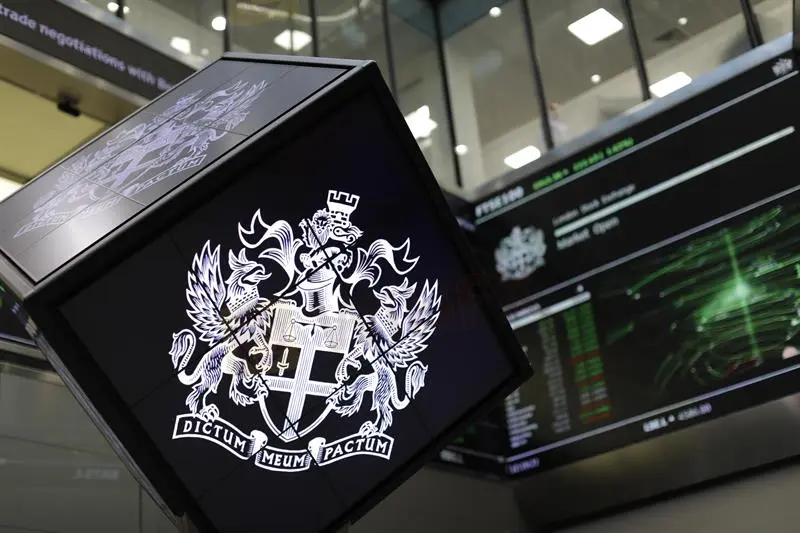
Execution mechanics mirror industry best practice. Goldman will report trades daily, and all activity must respect the pricing, volume and time-zone limits prescribed by UK MAR and the FCA‘s safe-harbour rules. While the broker’s discretion shields LSEG from market-timing accusations, the company has reiterated that it retains the right to amend or terminate the mandate should exceptional circumstances arise.
Investors welcomed Julys interim numbers, which highlighted resilient trading volumes across cash equities and a double-digit jump in post-trade clearing fees. Against that backdrop, the buyback is another lever to deploy surplus capital. Management has also hinted that additional shareholder returns could follow if the balance-sheet trajectory remains favourable.
From an ESG standpoint, LSEG insists the programme will not compromise funding for sustainability projects or integration costs related to prior acquisitions. Analysts note, however, that the scale of the purchase—roughly 2 percent of outstanding shares—will materially lower the free float, potentially tightening supply and magnifying price swings in the short term.
With the LSEG share buyback 2025 now underway, all eyes turn to Goldman‘s execution cadence and any upside surprises in the group’s third-quarter trading update. For long-term holders, a smaller share count and disciplined capital stewardship could translate into a sturdier platform for future dividend hikes and strategic bolt-ons.
Don't miss out on the latest news and updates in the financial market. Scan the QR code to download and install the WikiFX app.