Abstract:Fxnice, operating under the trading name of Venture Securities Limited, promotes itself as a regulated forex broker offering competitive spreads, high leverage, and the MetaTrader 5 platform. But can Fxnice really be trusted, or is it a scam? This in-depth Fxnice review covers regulation, trading conditions, user safety, and whether traders should avoid this broker.
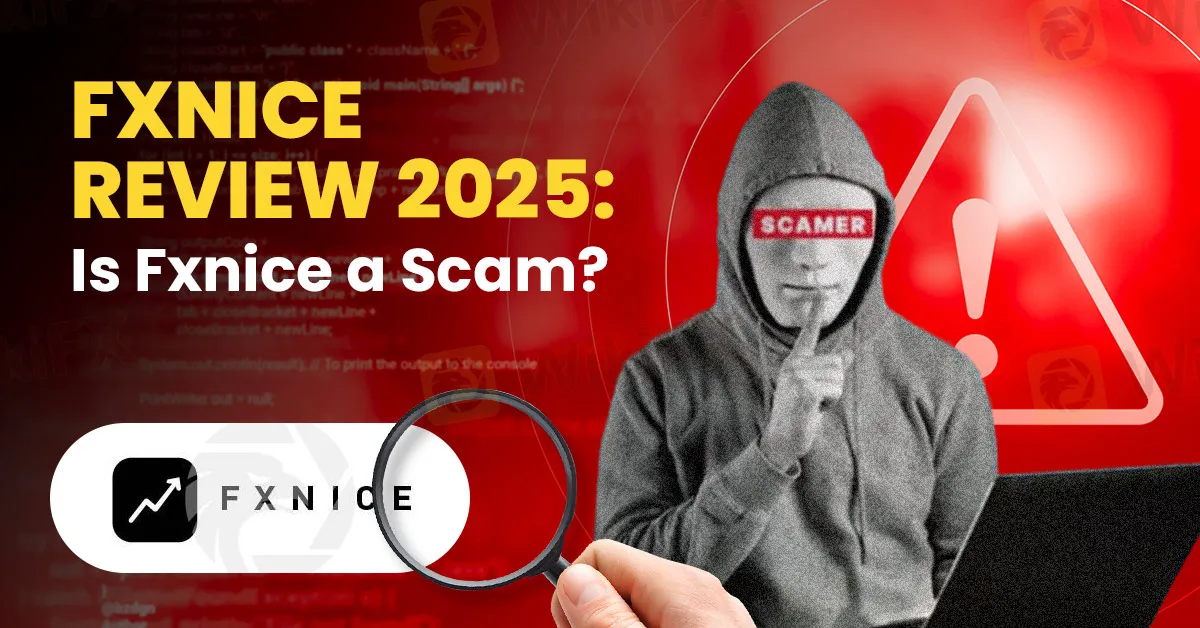
Fxnice, operating under the trading name of Venture Securities Limited, promotes itself as a regulated forex broker offering competitive spreads, high leverage, and the MetaTrader 5 platform. But can Fxnice really be trusted, or is it a scam? This in-depth Fxnice review covers regulation, trading conditions, user safety, and whether traders should avoid this broker.
 Contents
What Is Fxnice?
Fxnice is an online forex and CFD broker that claims to provide access to multiple financial instruments, including forex pairs and other tradable assets. According to its website, Fxnice offers:
- Regulation: According to WikiFX, Fxnice does not hold a strong regulatory license from authorities.
- Leverage: Up to 1:500
- Spreads: Floating spreads around 1 pip
- Trading Platform: MetaTrader 5 (MT5)
- Support: 24/7 customer service
On the surface, Fxnice markets itself as a broker with flexible conditions and global reach. However, deeper analysis raises some red flags.
Is Fxnice Regulated?
Fxnice states that it is regulated by the FSA of Honduras. While this technically provides a registration, traders should be aware that Honduras is not considered a strong financial jurisdiction. Unlike top regulators such as:
- FCA (UK)
- ASIC (Australia)
- CySEC (Cyprus)
The FSA of Honduras offers weak oversight and limited investor protection. This means that if something goes wrong, traders have little to no recourse.

Trading Conditions on Fxnice
Fxnice advertises seemingly attractive trading features:
- High Leverage: Up to 1:500 can amplify profits but also significantly increase risk.
- Spreads: Floating spreads starting at around 1 pip, which appear competitive.
- MT5 Access: The broker offers MetaTrader 5, a popular platform known for advanced tools, automated trading, and multi-asset support.
- Customer Support: Promises 24/7 availability.
While these conditions may attract beginners, high leverage combined with low regulatory protection often signals risk.
Assets Available for Trading
Fxnice highlights forex trading as its main offering, with access to major, minor, and exotic currency pairs. It also hints at offering CFDs on commodities, indices, and possibly stocks, but information is vague and not clearly disclosed on its website. Lack of transparency in product listings is often a warning sign of unreliable brokers.
Fxnice Rating and Reputation
WikiFX has given Fxnice a very low score, reflecting potential issues such as:
- Poor regulatory trustworthiness
- Complaints about withdrawals
- Lack of transparency in operations
- Questionable customer service
Such low ratings indicate that many users consider Fxnice to be a high-risk broker.
Is Fxnice a Scam?
Based on the available information, Fxnice shows several red flags:
- Weak regulation in Honduras
- Excessive leverage that can harm inexperienced traders
- Lack of clear asset details
- Low score on WikiFX
While Fxnice may not openly declare itself a scam, the warning signs suggest that traders are not adequately protected. The risk of losing funds or facing withdrawal problems is considerably high.
Frequently Asked Questions
Is Fxnice a regulated broker?
Fxnice claims to be regulated by the Financial Services Authority (FSA) of Honduras. However, this regulator is not considered a top-tier authority like the FCA (UK), ASIC (Australia), or CySEC (Cyprus), meaning the oversight and investor protection are very weak.
Is Fxnice a scam or legit?
While Fxnice advertises itself as a forex broker, multiple red flags suggest it may not be a safe choice. These include weak regulation, high leverage risks, low transparency, and poor ratings on WikiFX. Many traders may consider Fxnice a scam or at least a high-risk broker.
Can I trade forex with Fxnice?
Yes, Fxnice claims to offer forex trading along with other CFDs. It provides access to the popular MetaTrader 5 (MT5) platform with leverage up to 1:500. However, trading with Fxnice carries significant risks due to its low trust score.
Is it safe to deposit money with Fxnice?
Depositing funds with Fxnice is risky. The brokers low WikiFX score, questionable regulatory oversight, and lack of transparency mean that traders may face difficulties with withdrawals or fund protection. Safer options exist with brokers regulated in stricter jurisdictions.
What are better alternatives to Fxnice?
If you want a safer trading experience, consider brokers regulated by FCA, ASIC, CySEC, or FINRA. These regulators enforce strict standards, ensuring client funds are segregated and withdrawal processes are more reliable.
Conclusion
Fxnice tries to present itself as a legitimate forex broker with MT5 access and competitive spreads. However, the weak regulatory framework, low reputation scores, and poor transparency make it unsafe for traders in 2025.
If you are searching for a reliable broker, it is strongly recommended to choose one regulated by FCA, ASIC, or CySEC, which provide stronger investor protections and more transparency.