

Global Broker Regulation Inquiry App
About WikiFX
English
简体中文
繁體中文
English
Pусский
日本語
ภาษาไทย
Tiếng Việt
Bahasa Indonesia
Español
हिन्दी
Filippiiniläinen
Français
Deutsch
Português
Türkçe
한국어
العربية
اردو


Fed Independence Under Siege: Bond Vigilantes & The "Powell Put"

WikiFX
|


Abstract:The Federal Reserve's autonomy is under scrutiny following aggressive rhetoric from the White House and Department of Justice inquiries. Analysts warn that any erosion of central bank independence could trigger a bond market revolt, further complicating the Dollar's outlook.
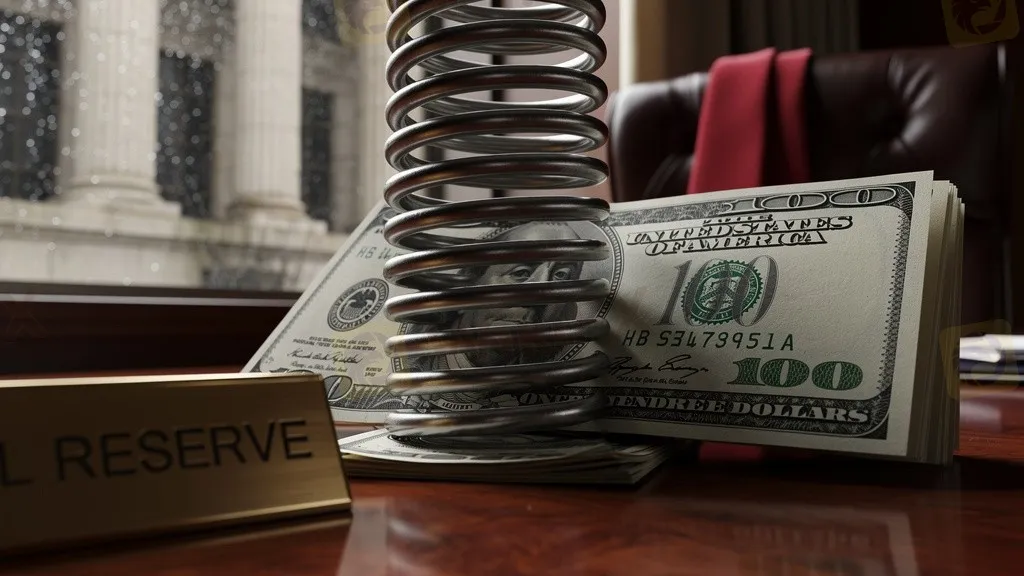
Washington — The separation between the White House and the Federal Reserve is facing its most severe stress test in decades. Following reports that the Department of Justice has subpoenaed records regarding the Fed's headquarters renovation—a move Chair Jerome Powell characterized as a pretext to punish the bank for its interest rate policy—markets are pricing in a higher risk premium for U.S. assets.
The Cost of Politicized Rates
David Picton of Picton Investments warned that the bond market is poised to “rapidly punish” the U.S. if the administration installs a compliant Fed Chair reminiscent of the 1970s era. “If Trump allows the Fed to lose its independence, the bond vigilantes will have their say,” Picton noted, alluding to a potential spike in yields that would tighten financial conditions regardless of the Fed's official target rate.
Policy Outlook: The “Coiled Spring”
Despite the political noise, the monetary reality remains stark. Vice Chair Michelle Bowman has signaled that the U.S. labor market is fragile, and the Fed must be ready to cut rates. However, the market currently prices in only a 60% chance of a single cut this year, creating a “coiled spring” effect.
- The Dilemma: If the Fed holds rates high to prove its independence, it risks a recession. If it cuts, it risks looking capitulatory to political pressure.
- Market Impact: This uncertainty is weighing on the US Dollar, which is failing to capitalize on the high-rate environment as effectively as in previous cycles.
Institutional View
Investment banks are advising clients to look through the noise but hedge against tail risks. The prevailing strategy involves rotating out of vulnerable tech valuations into commodities and industrial sectors that may benefit from a re-inflationary environment, should the Fed eventually blink.
Disclaimer:
The views in this article only represent the author's personal views, and do not constitute investment advice on this platform. This platform does not guarantee the accuracy, completeness and timeliness of the information in the article, and will not be liable for any loss caused by the use of or reliance on the information in the article.
WikiFX Broker
Latest News
Apple Faces Lawsuit Over Fake Crypto App Exposing $1.8 Million Theft
WikiFXTrump Memecoin Faces SEC Scrutiny After Nearly One Million Investors Suffer Heavy Losses
WikiFX"They Want to See Your Face": Inside ATFX Cambodia's Rise
WikiFXSpread Cheating: The Invisible Trading Cost That Could Be Working Against You
WikiFXLevels Review: No Regulation and Mounting Withdrawal Complaints – What Traders Need to Know
WikiFXLQH MARKETS Review: Multiple Traders Report Withdrawals Blocked and Accounts Terminated
WikiFXBorn2trade Adds Copy Trading to 1:5000 Leverage Platform
WikiFXPILOTFX Review: What Traders Should Know Before Depositing
WikiFXLMAX Group Review 2026: Users Report Disturbing Withdrawal Issues - Is the Broker Still Reliable?
WikiFXTrade24Seven Review: What Traders Should Know Before Depositing
WikiFX