


Vietnam Becomes New Base for Cross Border Scam Syndicates After Cambodia Crackdown
Cross border scam syndicates are constantly adapting to evade law enforcement by moving from Cambodia to Vietnam.
Original

简体中文
繁體中文
English
Pусский
日本語
ภาษาไทย
Tiếng Việt
Bahasa Indonesia
Español
हिन्दी
Filippiiniläinen
Français
Deutsch
Português
Türkçe
한국어
العربية
اردو




Abstract:The victim, who works at a hospital in Pahang, received phone calls from several individuals on December 31.
A 31-year-old doctor in Pahang has lost RM285,000 after falling victim to a phone scam syndicate that carefully impersonated multiple authorities to gain his trust.
According to Pahang police chief Datuk Seri Yahaya Othman, the incident began on December 31 when the victim, who works at a hospital in the state, received several phone calls from unknown individuals. The callers first posed as officers from Tenaga Nasional Berhad (TNB), before transferring the call to another person claiming to be a police officer.
The fake “police officer” alleged that the doctor was linked to serious offences, including electricity meter tampering, money laundering and digital fraud. To make the story more convincing, the victim was told that he was under investigation and instructed to stay in constant contact with the suspect, even being asked to report his daily movements.
Over time, the scammers pressured the victim into taking out a loan from a financial institution, claiming the money was required as part of the investigation process. He was then instructed to transfer funds to seven different bank accounts. In addition, the victim was told to purchase 35 Razer Gold top-up cards and hand over the PIN numbers to the suspects.
By the time he realised something was wrong, the damage had already been done. The doctor had lost RM285,000, made up of his personal savings and bank loans. He only became suspicious when the suspects demanded even more money and subsequently became unreachable.
Police have classified the case under Section 420 of the Penal Code for cheating. Authorities have once again reminded the public to be extremely cautious of phone calls involving alleged investigations, especially those that demand secrecy, money transfers or prepaid vouchers.
To reduce the risk of falling victim to financial scams, tools like WikiFX can help users verify the legitimacy of brokers and financial platforms before making any investment decisions. By checking regulatory status, risk alerts and user feedback, individuals can better protect their savings and avoid becoming the next target="_blank" kwlink="6384064000816950219725">target of increasingly sophisticated fraud schemes.

Disclaimer:
The views in this article only represent the author's personal views, and do not constitute investment advice on this platform. This platform does not guarantee the accuracy, completeness and timeliness of the information in the article, and will not be liable for any loss caused by the use of or reliance on the information in the article.

Cross border scam syndicates are constantly adapting to evade law enforcement by moving from Cambodia to Vietnam.
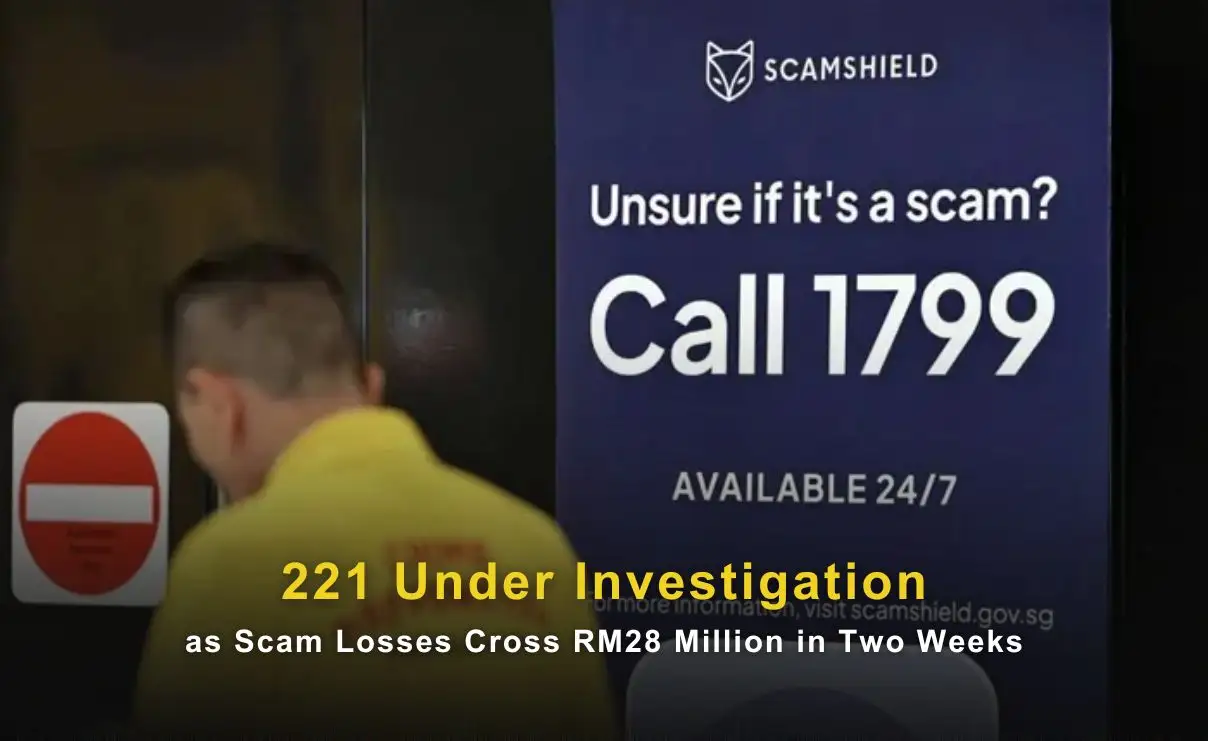
Singapore authorities have concluded a major anti-scam enforcement operation that resulted in 221 individuals being placed under investigation for their alleged roles in a wide range of fraudulent schemes.

Malaysia may be emerging as a new destination for transnational scam syndicates seeking to evade mounting pressure from international law enforcement agencies, according to a leading humanitarian organisation.

He Claimed Elite Connections. She Ended Up Losing Millions and Her Dream Car
WikiFXWikiFXWikiFXWikiFXWikiFXWikiFXWikiFXWikiFXWikiFXWikiFX