

Global Broker Regulation Inquiry App
About WikiFX
English
简体中文
繁體中文
English
Pусский
日本語
ภาษาไทย
Tiếng Việt
Bahasa Indonesia
Español
हिन्दी
Filippiiniläinen
Français
Deutsch
Português
Türkçe
한국어
العربية
اردو



Energy Crisis Deepens: Hormuz Blockade Risks Physical Supply Shock

WikiFX
|


Abstract:A critical chokepoint crisis looms as reports confirm the effective closure of the Strait of Hormuz and attacks on Qatari energy infrastructure. US naval guarantees have cooled spot prices slightly, but physical supply disruptions are mounting.
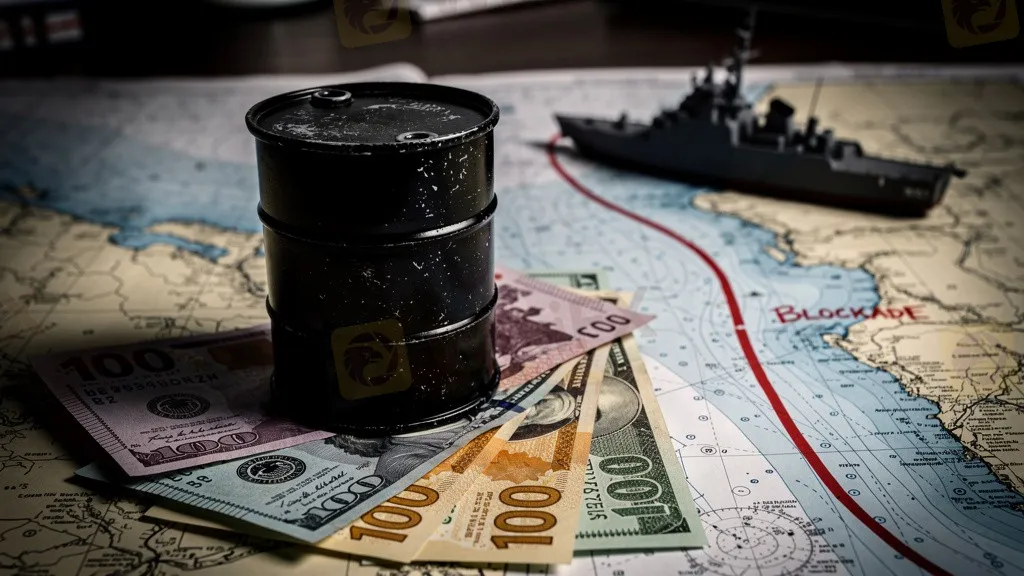
The conflict in the Middle East has transitioned from speculative fear to tangible supply chain disruption. Reports confirm that the Strait of Hormuz—the artery for 20% of the world's oil supply—is effectively closed to commercial traffic due to insurance revocations and direct threats from Iranian forces. This blockade is now forcing operational shutdowns upstream.
The Physical Toll
While headline oil prices retraced slightly from intraday highs following US security pledges, physical markers indicate deepening stress:
- Iraq: The OPEC producer is arguably the hardest hit, with storage tanks reaching capacity. Officials warn that without a maritime outlet, production cuts could escalate to 3 million bpd within days.
- Qatar: The world's top LNG exporter has halted operations at the Ras Laffan facility following drone strikes. This creates an immediate gap in the European and Asian gas markets, driving European natural gas futures up by over 30%.
Trumps “Insurance” Gambit
In a bid to control oil prices—a critical issue for the upcoming midterm elections—President Trump announced that the US would provide government-backed insurance for tankers and naval escorts.
- Market Skepticism: Analysts at Rapidan Energy Group warn of a lag time. While the US Navy can provide security, mine-sweeping and neutralizing anti-ship missile threats is not instantaneous. The “risk premium” in crude prices is likely to persist until commercial insurers return to the market.
Forex Strategy: The “Oil Proxy” Trade
With supply constrained and prices volatile, the Canadian Dollar (CAD) and Norwegian Krone (NOK) remain theoretically supported against importers like the JPY and EUR. However, traders must weigh this against the broader “Risk-Off” sentiment that generally hurts the CAD. The USD/CAD pair faces conflicting forces: falling oil prices (on Trump's news) boost USD/CAD, while the broader Dollar strength supports it.
Disclaimer:
The views in this article only represent the author's personal views, and do not constitute investment advice on this platform. This platform does not guarantee the accuracy, completeness and timeliness of the information in the article, and will not be liable for any loss caused by the use of or reliance on the information in the article.
WikiFX Broker
Latest News
RoboForex Review 2026: Regulatory Warnings and Withdrawal Red Flags
WikiFXLONG ASIA Review 2026: Unverified Regulation and Withdrawal Risks
WikiFXYen Drops Past 163 On Oil
WikiFXUS Charges Two Over Alleged $43M Laundering Network
WikiFXHow to Tell if a Market Reversal at Support is Real
WikiFXBeirman Capital Review 2026: Unregulated Status and Key Risk Signals
WikiFXSix Arrested in ₹2.68Cr Dubai-Linked Scam on Ex-IAF Officer
WikiFXSix Arrested in ₹20 Million Dubai-Linked Investment Scam
WikiFXWhy the rupee keeps sliding despite RBI's $675bn arsenal
WikiFXABET Review 2026: Users Allege Missing Funds and Trade Manipulation - Our Investigation
WikiFX