


Global Broker Regulation Inquiry App
About WikiFX
English
简体中文
繁體中文
English
Pусский
日本語
ภาษาไทย
Tiếng Việt
Bahasa Indonesia
Español
हिन्दी
Filippiiniläinen
Français
Deutsch
Português
Türkçe
한국어
العربية
اردو
U.S. Stocks Extend Losses as Middle East Escalation Fuels Market Uncertainty
Abstract:Wednesdays trading session saw broad market losses, with the Dow Jones falling nearly 1,000 points, while the SP 500 and Nasdaq also declined sharply. Investors are increasingly rotating away from tec
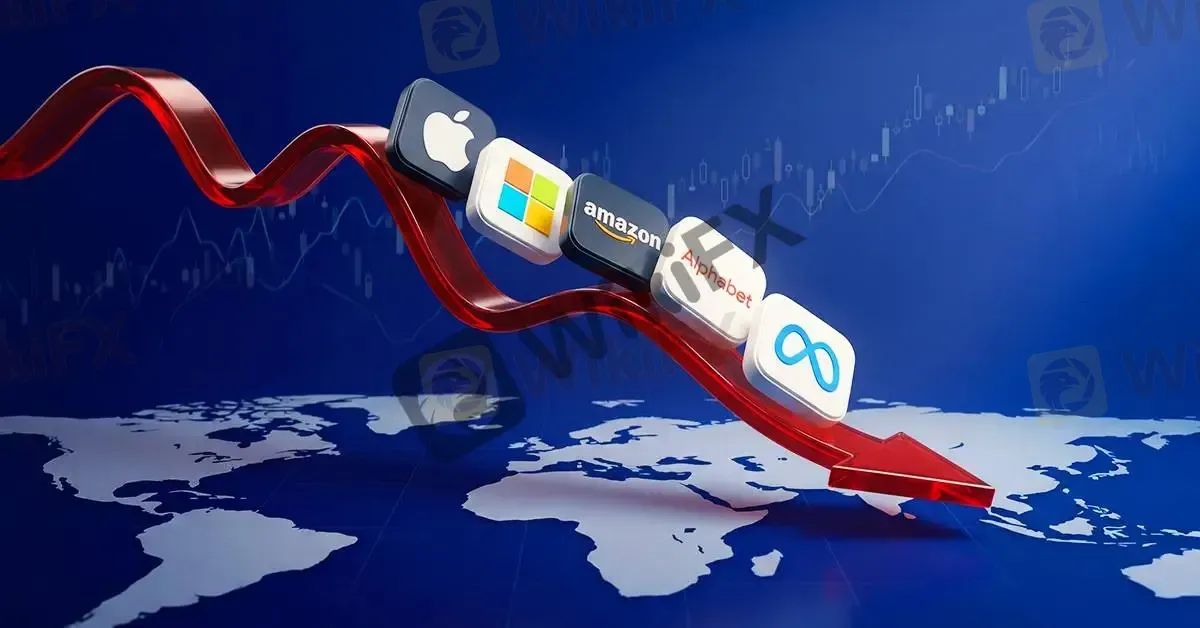
Wednesdays trading session saw broad market losses, with the Dow Jones falling nearly 1,000 points, while the S&P 500 and Nasdaq also declined sharply. Investors are increasingly rotating away from technology stocks and into sectors such as healthcare, financials, and energy.
Earlier today, U.S. stock futures moved higher despite ongoing tensions between the United States and Iran. S&P 500, Nasdaq 100, and Dow futures all posted gains.
Oil prices moved higher in the last few hours as tensions in the Middle East intensified following a new round of military actions between the United States and Iran. U.S. crude oil futures rose to $90.80 per barrel, while Brent crude futures climbed to $93.70 per barrel as investors reacted to growing concerns about potential disruptions to global energy supplies.
Asian markets traded sharply lower, led by South Korea‘s Kospi, which fell more than 4%, while Japan’s Nikkei and Australias ASX 200 also declined.
Oracle shares plunged more than 11% in after-hours trading after the company announced plans to raise an additional $20 billion to fund its artificial intelligence expansion. The move weighed on technology-related stocks and added pressure to a sector that has already been experiencing profit-taking after months of strong gains.
Investors are also closely watching upcoming economic data, including the Producer Price Index (PPI) and weekly jobless claims.
Gold prices remain under pressure after falling to their lowest level since November 2025, struggling to recover above the $4,100 level. The upside for gold remains limited as markets increasingly expect the Federal Reserve to maintain a hawkish stance. While core inflation slowed in May, headline inflation accelerated to 4.2% year-over-year, its highest level in three years, largely due to a sharp rise in energy prices.
Disclaimer:
The views in this article only represent the author's personal views, and do not constitute investment advice on this platform. This platform does not guarantee the accuracy, completeness and timeliness of the information in the article, and will not be liable for any loss caused by the use of or reliance on the information in the article.
WikiFX Broker
Latest News
TenX Prime Review: PAMM Blackout, Login Blocks, and Broker Regulation Questions
 WikiFX
InstaForex Review: Broker Profit Deductions, Login Shock, and Regulation Red Flags
WikiFXPosition Sizing Math For Steady Small Account Growth
WikiFXOcta Review 2026: Severe Withdrawal Complaints and Regulation Warnings
WikiFXUniglobe Markets Review 2026: Should You Trade with This Broker?
WikiFXWorld Cup · Forex Predict & Win Event
WikiFXZenstox Review 2026: Unexplained Profit Cancellation & Account Termination Allegations
WikiFXECB hikes interest rates for first time since 2023 as Iran war ramps up energy costs
WikiFXRaiseFX Review 2026: Is This Forex Broker Safe?
WikiFXIBKR VIP limited Review: No Regulation, Withdrawal Blocks, and a Broker Warning
WikiFXCurrency Calculator
USD

CNY
Current Rate:0
Enter amount
USD
Redeemable Amount
CNY
Calculate 