Abstract:More than 90% of economists said the Federal Open Market Committee would hold its federal funds rate at 5.00-5.25%.
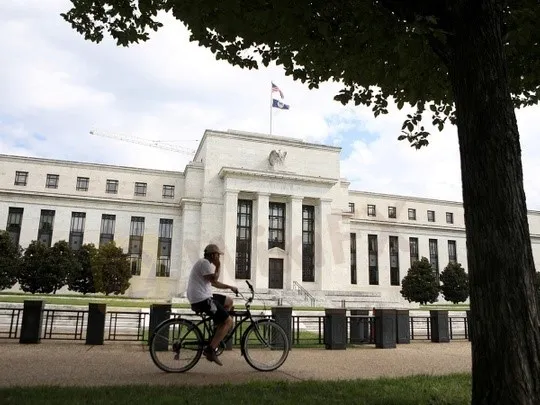
More than 90% of economists said the Federal Open Market Committee would hold its federal funds rate at 5.00-5.25%.
The US Federal Reserve will not raise interest rates for the first time in well over a year at its June 13-14 meeting, according to economists polled by Reuters, but a significant minority expects at least one more hike this year as the economy remains resilient.
Fed Chair Jerome Powell signaled in May that the US central bank might soon pause its hiking cycle to assess the impact of an historically aggressive 500 basis points worth of tightening, having raised rates at every meeting since March of 2022.
More than 90 per cent of economists, 78 of 86, polled June 2-7 said the policy-setting Federal Open Market Committee would hold its federal funds rate at 5.00 per cent -5.25 per cent at the end of its meeting next week. The remaining eight expect a 25-basis-point rise.
Since the Feds last policy meeting in May, strong economic data and comments from a few of its officials have encouraged markets to price in a hike at or before the July 25-26 meeting, with earlier expectations for rate cuts later this year receding quickly.
That hawkish change in market expectations has helped boost the US dollar to its highest level since March.
The trouble is that inflation has not fallen quickly enough - it was running in April at 4.4 per cent based on the Feds preferred measure and 4.7 per cent when stripped of volatile food and energy prices. The central bank has a 2 per cent inflation target.
“Powell expressed his bias in favour of remaining on hold in June ... hes going to stick with that as it gives them an additional month of data to look at, although I seriously doubt whether that will give them any new insights,” said Philip Marey, senior US strategist at Rabobank.
For a while, the US job market has remained remarkably strong, with unemployment rising but still remaining well below 4 per cent and wage inflation falling slowly.
The housing market, which is normally highly sensitive to interest rates, has also withstood the higher borrowing costs for much longer than many expected, with only minor price falls from the levels seen during the pandemic-related boom.
US Treasury Secretary Janet Yellen said on Wednesday the economy was strong amid robust consumer spending but some areas were slowing, and that she expected continued progress in bringing inflation down over the next two years.