Abstract:In the ever-expanding realm of online trading, fraudulent brokers pose a significant threat to investors worldwide. Understanding the tactics deployed by these deceitful entities is crucial. Here, we unveil five common traps while highlighting the indispensable role of WikiFX in protecting investors from financial scams.
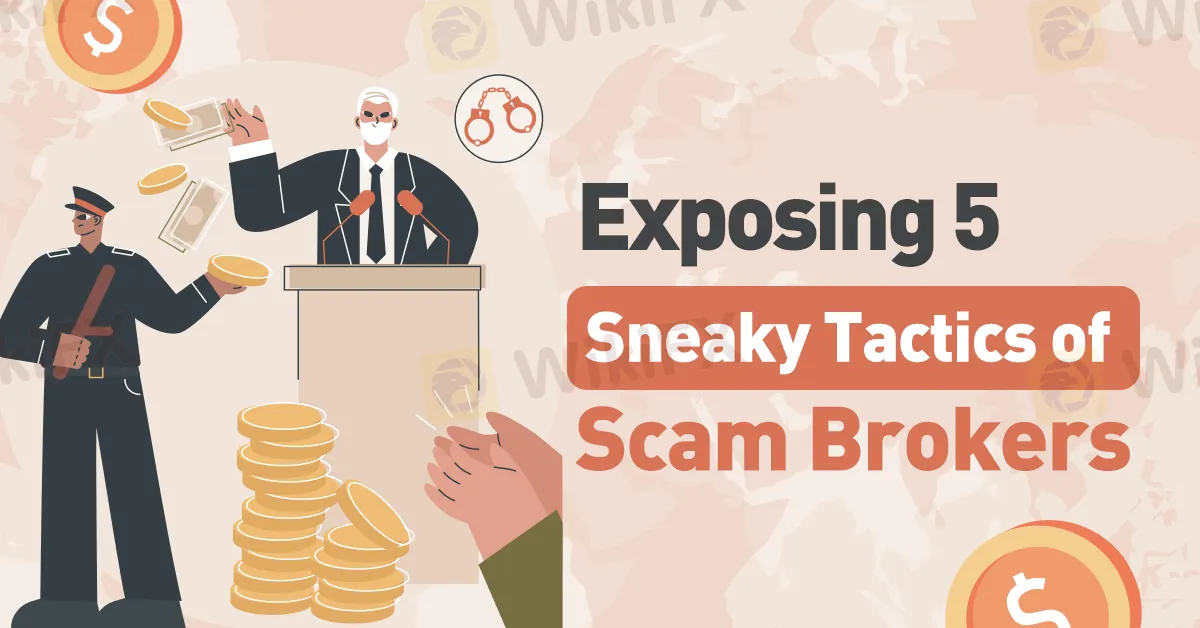
In the dynamic world of finance, the prevalence of online trading has opened avenues for investors globally. However, this surge in accessibility has also brought about an increase in fraudulent activities by unscrupulous individuals posing as legitimate brokers. As investors navigate the complex landscape of financial markets, it's crucial to be aware of the traps set by scam brokers. Here are five commonly employed tactics to watch out for:

Scam brokers often lure potential investors with promises of extraordinary returns or guaranteed profits. These claims, however, are usually too good to be true. High-pressure sales tactics coupled with promises of quick and substantial gains serve as red flags. Investors should exercise caution and skepticism when encountering such extravagant assurances, as legitimate investments carry inherent risks and market fluctuations.
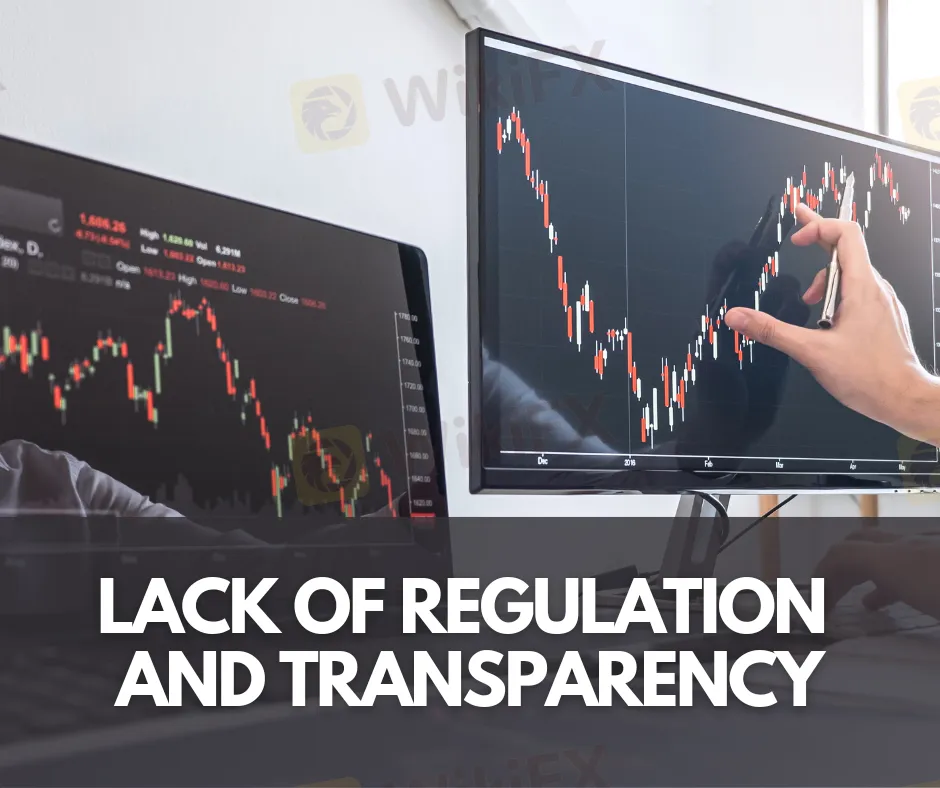
One of the primary hallmarks of a legitimate broker is its adherence to regulatory standards. Scam brokers often operate without proper authorization or oversight from regulatory bodies. They may lack transparency regarding their operations, omitting crucial information such as registration details, licensing, or regulatory compliance. Investors should conduct thorough due diligence, verifying a broker's credentials and ensuring they comply with established regulatory frameworks.

Scam brokers frequently engage in unsolicited communication, aggressively pushing investment advice or trades without considering an investor's financial goals or risk tolerance. Cold calls, emails, or messages pressuring individuals to make immediate investment decisions should raise suspicion. Reputable brokers prioritize informed decision-making and respect their clients' autonomy, steering clear of high-pressure tactics.

Obscure fee structures and hidden charges are common tactics employed by scam brokers to exploit unsuspecting investors. They may advertise low initial fees but impose exorbitant charges on withdrawals, inactivity, or other transactions. Investors should carefully review all terms and conditions, seeking clarification on any ambiguous or undisclosed fees before engaging with a broker.

Another prevalent trap involves difficulties faced by investors when attempting to withdraw funds or close their accounts. Scam brokers may impose arduous procedures or create hurdles, delaying or denying withdrawals altogether. Legitimate brokers prioritize seamless transactions and ensure investors have easy access to their funds without unnecessary obstacles.
As the financial landscape evolves, investors must remain vigilant and informed to safeguard their interests. Conducting thorough research, verifying a broker's credentials, and exercising caution in the face of enticing offers are critical steps to mitigate the risks associated with scam brokers.

WikiFX stands as a pivotal resource for investors seeking clarity and security in the realm of trading. With a vast database of brokers worldwide, it meticulously verifies crucial details such as regulatory compliance, licensing, and adherence to financial authorities' standards. User reviews and ratings offer first-hand experiences, providing invaluable insights into a broker's reliability and services. Additionally, WikiFX offers risk assessment tools, empowering users to gauge the potential risks associated with a broker based on historical data and user feedback. Its repository of educational resources equips investors with the knowledge needed to identify scams and make informed decisions. Moreover, the platform serves as a channel for complaint resolution, ensuring users have a voice in addressing issues with brokers. Accessible via a mobile app, WikiFX provides on-the-go verification, solidifying its role as a comprehensive ecosystem aiding investors in navigating the complexities of the financial markets while safeguarding their investments from potential fraudulent practices.
In conclusion, while the allure of potential profits in the financial markets is undeniable, investors must be vigilant and discerning. By staying informed and exercising due diligence, individuals can protect themselves from falling victim to the traps set by scam brokers, ensuring a safer and more secure investment journey.