Abstract:Celebrity endorsement scams in Australia jump 25% in 2025. ASIC shuts down 330 fake websites misusing public figures to lure investors.
 Contents
Surge in Scam Websites Using Celebrity Images
The Australian Securities and Investments Commission (ASIC) has reported a significant increase in investment scams that misuse the images of high-profile public figures. In the first half of 2025 alone, over 330 fraudulent websites were taken down, representing a 25% rise compared with the same period last year.
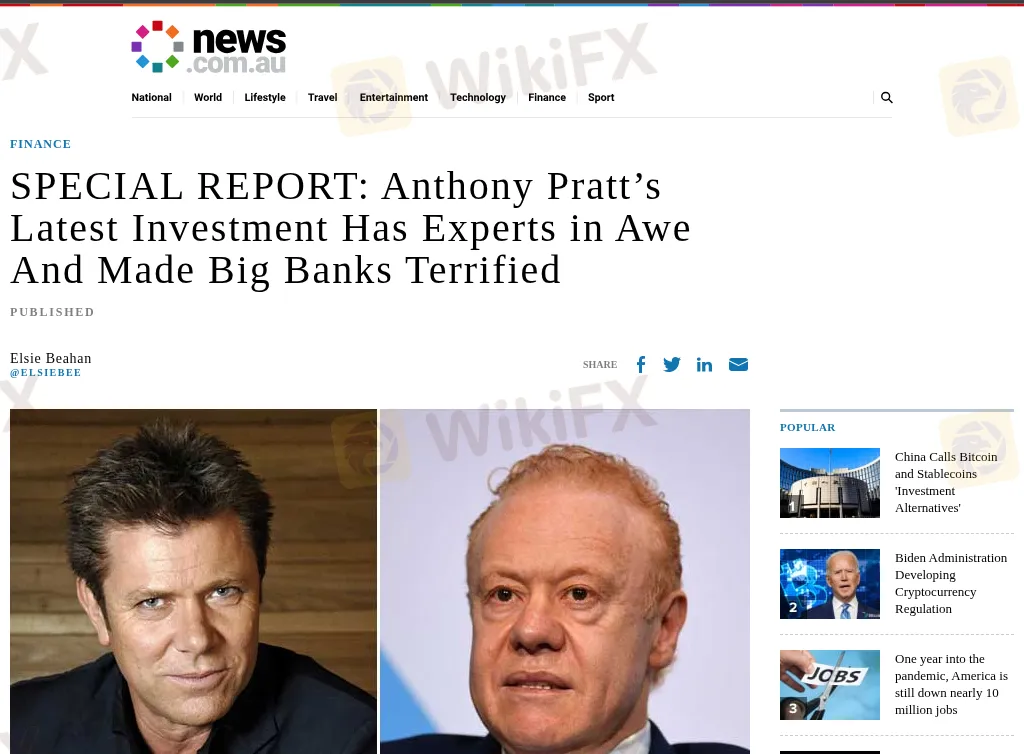
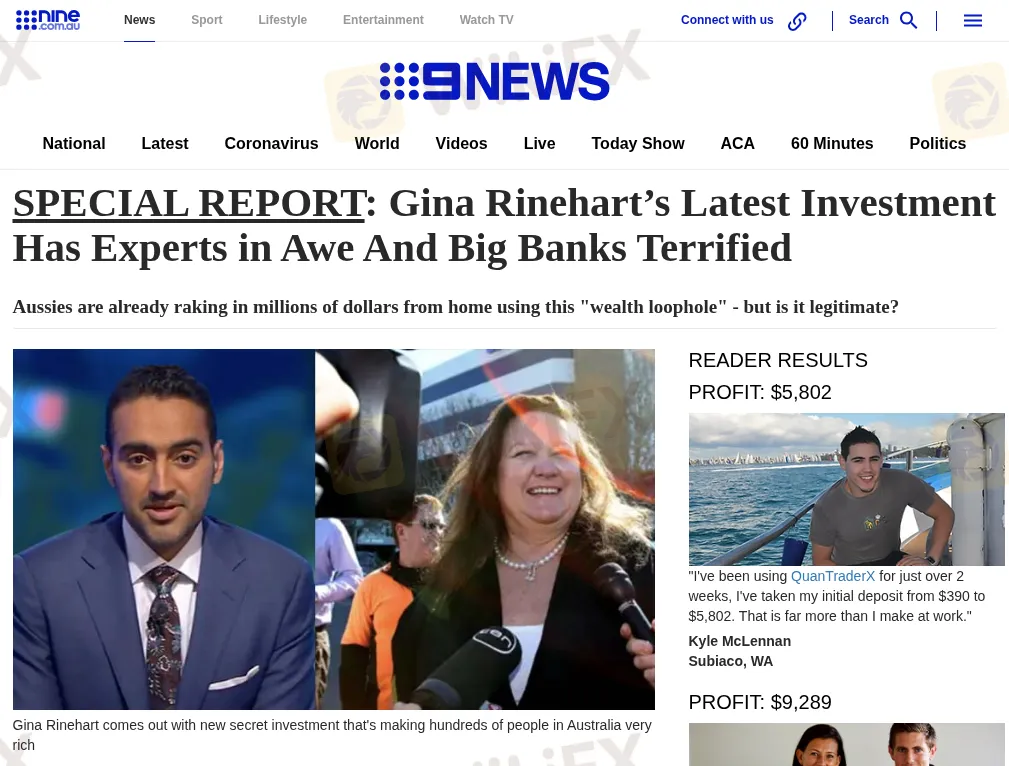
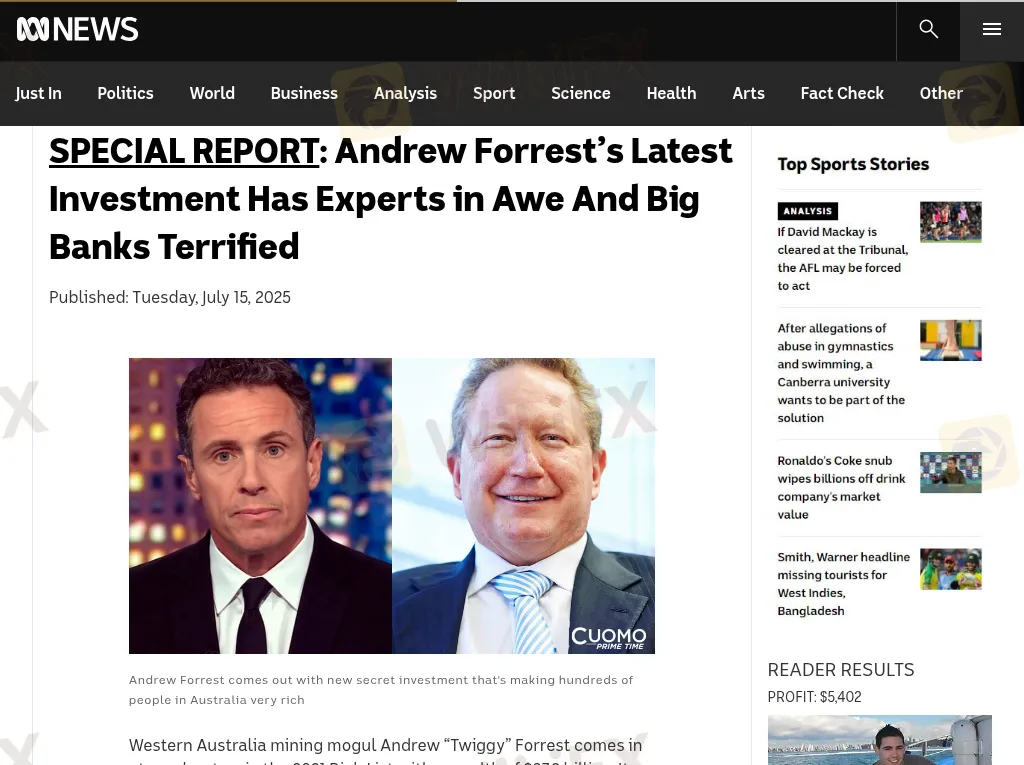
Well-known business leaders such as Andrew Forrest, Gina Rinehart, and Anthony Pratt have had their names and faces exploited to create the illusion of credibility. These scams are not isolated incidents but part of a growing trend where criminal groups scale up operations using cheap digital templates and aggressive online promotion.
Example 1:
Example 2:
Example 3:
Why Celebrity Endorsements Work
The tactic behind using celebrity photos lies in social proof: if a trusted and recognizable figure appears to endorse an investment, unsuspecting individuals are more likely to believe it is legitimate. Scammers often design fake news articles, doctored interviews, or professional-looking trading websites that falsely associate celebrities with “get-rich-quick” opportunities. For ordinary investors scrolling social media, it becomes increasingly difficult to distinguish between authentic financial content and sophisticated forgeries.
AI and the Scale of the Threat
One of the driving forces behind the spike is artificial intelligence. Fraudsters are now able to generate polished websites, clone digital interfaces, and even simulate customer reviews at minimal cost.
ASIC has identified scam operations pushing fake trading platforms, AI trading bots promising unrealistic returns, and cloned news sites that mimic trusted Australian media outlets. These capabilities allow criminals to launch dozens of fraudulent domains in weeks, shutting them down when discovered, only to reappear with new branding and URLs.
Extending Takedown Powers to Social Media
Traditionally, ASICs focus was on dismantling scam websites. But with the proliferation of scam ads on Facebook, Instagram, and other platforms, the regulator has expanded its takedown services to cover investment scam advertising on social media. Many scams begin as simple digital ads, driving clicks toward fraudulent platforms. By removing these ads earlier in the funnel, ASIC hopes to cut off a major channel for scammers before victims are drawn in.
Superannuation Schemes Also Under Scrutiny
Beyond fake celebrity endorsements, ASIC is also warning about schemes targeting Australians superannuation. Consumers are being approached through online “super health check” ads that lead to aggressive sales calls, often pushing high-risk or unsuitable products. These pitches typically rely on clickbait, high-pressure tactics, and promises of guaranteed returns. Investors are reminded that moving superannuation funds is a serious financial decision that should not be made under pressure or based on unsolicited offers.
Protecting Yourself from Copycat Scams
For investors, vigilance is critical. Fake investment websites share common red flags:
- Lookalike domains with only minor spelling changes.
- Copied content such as identical website layouts, slogans, or reviews.
- Unrealistic claims, including outsized guaranteed returns.
- Fake endorsements, whether from celebrities or fabricated “rating agencies.”
Instead of trusting polished websites or celebrity images, investors should always confirm whether a financial service provider is properly licensed and operating under its official domain. Platforms like WikiFX make this process easier by offering access to global broker license records, verified web addresses, and user feedback. Using these tools adds an extra layer of protection, helping investors spot fraudulent operators before they suffer financial losses.