Abstract:Global forex and CFD broker Tickmill has strengthened its presence in the United Arab Emirates with a new partnership with Mashreq Bank, one of the region’s most established financial institutions. This collaboration introduces localized deposit and withdrawal solutions in AED and USD, making trading with Tickmill more convenient for UAE-based clients.

Global forex and CFD broker Tickmill has strengthened its presence in the United Arab Emirates with a new partnership with Mashreq Bank, one of the regions most established financial institutions. This collaboration introduces localized deposit and withdrawal solutions in AED and USD, making trading with Tickmill more convenient for UAE-based clients.
 Contents
Tickmill UAE: Why Local Payments Matter
The UAE has become a lucrative hub for retail forex trading, with more investors seeking brokers that provide seamless funding and withdrawal options. Previously, many traders relied on international transfers or third-party payment processors, which could add delays and extra costs.
With the Mashreq Bank partnership, Tickmill now offers forex broker payments in AED, giving clients a faster, more secure, and localized experience. The addition of AED alongside USD funding aligns Tickmill with regional banking preferences and highlights its commitment to the Middle East market.

Strengthening Tickmills Position in the Region
This step is part of Tickmill UAEs broader localization strategy, which focuses on tailoring services to meet the unique needs of traders in the region. By integrating with a trusted institution like Mashreq Bank, Tickmill enhances both reliability and customer trust—two factors that UAE-based investors prioritize when selecting a broker.
The move also underscores how global brokers are increasingly investing in MENA (Middle East and North Africa), a market with fast-growing demand for forex and CFD trading.
About Tickmill
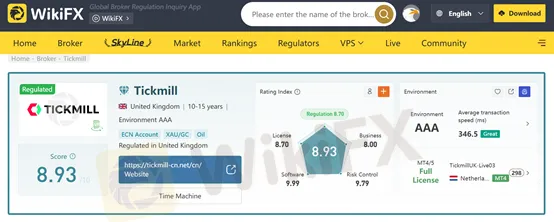
Founded in 2014, Tickmill has grown into a global broker regulated by multiple financial authorities. The company offers a wide selection of instruments, including forex, indices, commodities, bonds, and cryptocurrencies, and is known for its competitive spreads and strong execution.
The new Mashreq Bank partnership is another example of Tickmills commitment to delivering client-focused solutions and adapting to regional trading environments.
Conclusion
By enabling deposits and withdrawals in AED and USD through Mashreq Bank, Tickmill UAE is raising the bar for localized services in the region. The partnership not only improves the trading experience for local clients but also positions Tickmill as one of the few global brokers effectively bridging international standards with regional needs.