


Vietnam Becomes New Base for Cross Border Scam Syndicates After Cambodia Crackdown
Cross border scam syndicates are constantly adapting to evade law enforcement by moving from Cambodia to Vietnam.
Original

简体中文
繁體中文
English
Pусский
日本語
ภาษาไทย
Tiếng Việt
Bahasa Indonesia
Español
हिन्दी
Filippiiniläinen
Français
Deutsch
Português
Türkçe
한국어
العربية
اردو




Abstract:A 70-year-old man from Kuching has lost RM1.2 million after falling victim to a crypto investment scam linked to a fraudulent trading website known as BACXN Exchange.
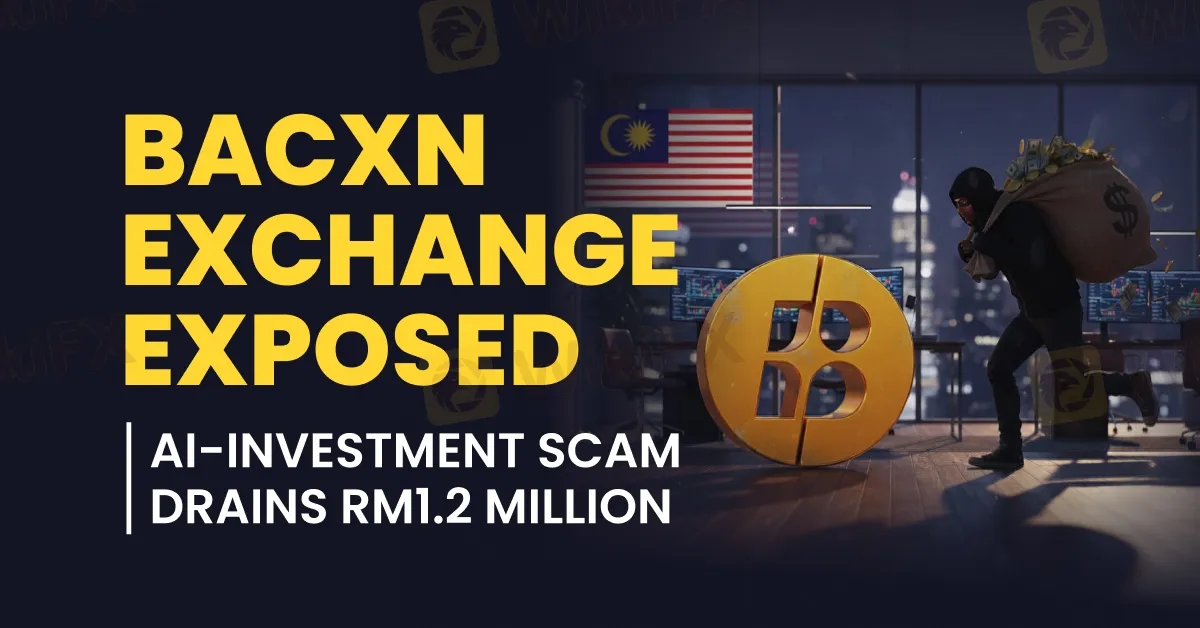
A 70-year-old man from Kuching has lost RM1.2 million after falling victim to a crypto investment scam linked to a fraudulent trading website known as BACXN Exchange.
According to Sarawak Police Commissioner Datuk Mohamad Zainal Abdullah, the victims ordeal began in March when he came across an investment advertisement on social media promoting a supposedly advanced artificial intelligence trading platform.
Intrigued by the offer, the retiree contacted the promoter and was soon added to a WhatsApp group named “AI Intelligence Future Forum.” The group appeared legitimate, featuring posts about market insights and discussions on cryptocurrency trends, which is a tactic scammers often use to project credibility and attract potential investors.
Within the group, members encouraged him to invest through BACXN Exchange, which was presented as a sophisticated crypto trading website accessible via www.bacxn.com. The site promised consistent returns through automated AI-based trading and offered what appeared to be real-time profit dashboards.
Deceived by the convincing layout of the platform and reassured by group discussions that included fake testimonials, the victim made several transactions into bank accounts provided by the scammer. In total, he transferred RM1.2 million, believing he was investing in legitimate crypto assets.
The illusion collapsed when the victim attempted to withdraw his supposed profits from the BACXN website. The system repeatedly rejected his requests, citing technical issues and verification delays. After multiple failed attempts and no response from the platform, the man realised he had been cheated.
Police investigations later confirmed that BACXN Exchange was a fake investment platform, designed solely to defraud users through online advertisements and encrypted messaging channels.
Commissioner Zainal urged the public to exercise extreme caution when dealing with online investment offers, particularly those promising high profits with little or no risk. He emphasised that investors should always verify the legitimacy of trading platforms and financial entities before transferring money.
“Official authorisation can be confirmed through the Bank Negara Malaysia (BNM) and Securities Commission Malaysia (SC) websites,” he advised, noting that unlicensed platforms are a major red flag for fraudulent activity.
Authorities are now tracing the funds and investigating the network behind the BACXN Exchange operation.

Disclaimer:
The views in this article only represent the author's personal views, and do not constitute investment advice on this platform. This platform does not guarantee the accuracy, completeness and timeliness of the information in the article, and will not be liable for any loss caused by the use of or reliance on the information in the article.

Cross border scam syndicates are constantly adapting to evade law enforcement by moving from Cambodia to Vietnam.
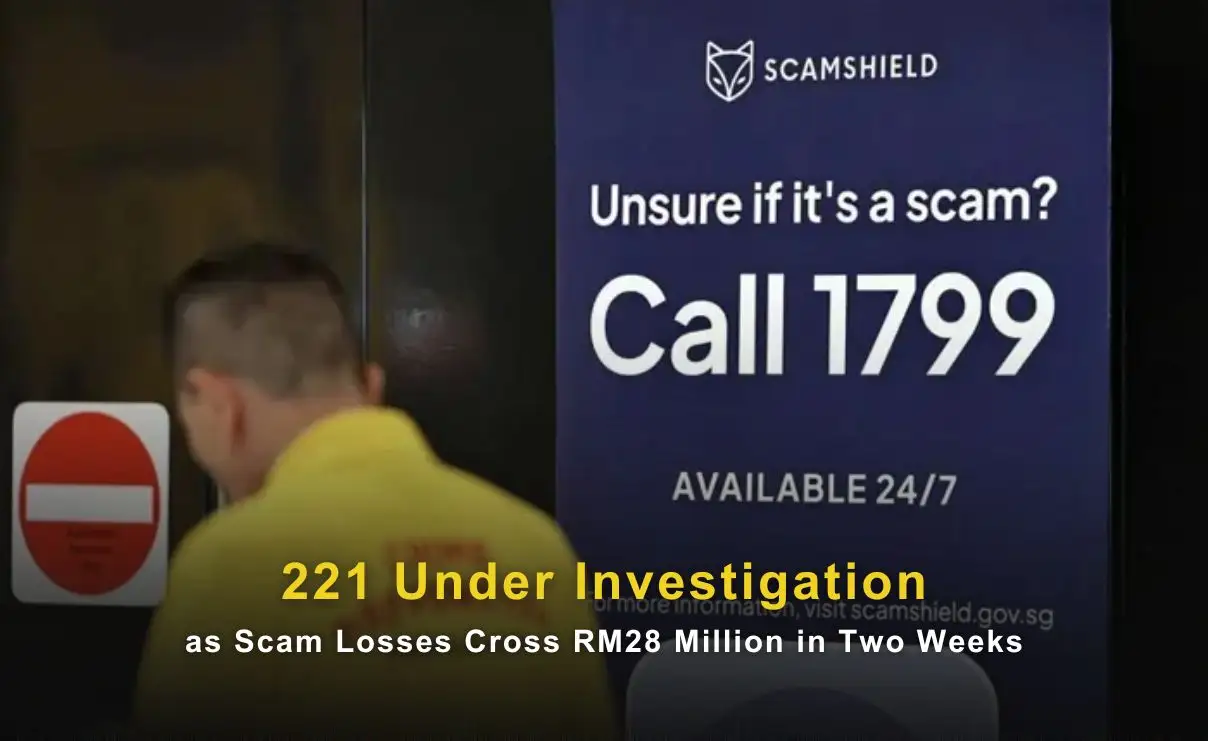
Singapore authorities have concluded a major anti-scam enforcement operation that resulted in 221 individuals being placed under investigation for their alleged roles in a wide range of fraudulent schemes.

Malaysia may be emerging as a new destination for transnational scam syndicates seeking to evade mounting pressure from international law enforcement agencies, according to a leading humanitarian organisation.

He Claimed Elite Connections. She Ended Up Losing Millions and Her Dream Car
WikiFXWikiFXWikiFXWikiFXWikiFXWikiFXWikiFX