


Why Markets Pump When the News Dumps: The "Bad Is Good" Trap
The market is a game of psychology, not just economics. Trade what the chart is doing, not what the news anchor is saying.
Original

简体中文
繁體中文
English
Pусский
日本語
ภาษาไทย
Tiếng Việt
Bahasa Indonesia
Español
हिन्दी
Filippiiniläinen
Français
Deutsch
Português
Türkçe
한국어
العربية
اردو




Abstract:The market is designed to manipulate your emotions. Big institutional players know exactly how retail traders think. They wait for that emotional spike. When you are frantically buying because "it's going to the moon," the big banks are the ones selling to you. They are taking their profits while you are providing the liquidity holding the bag.
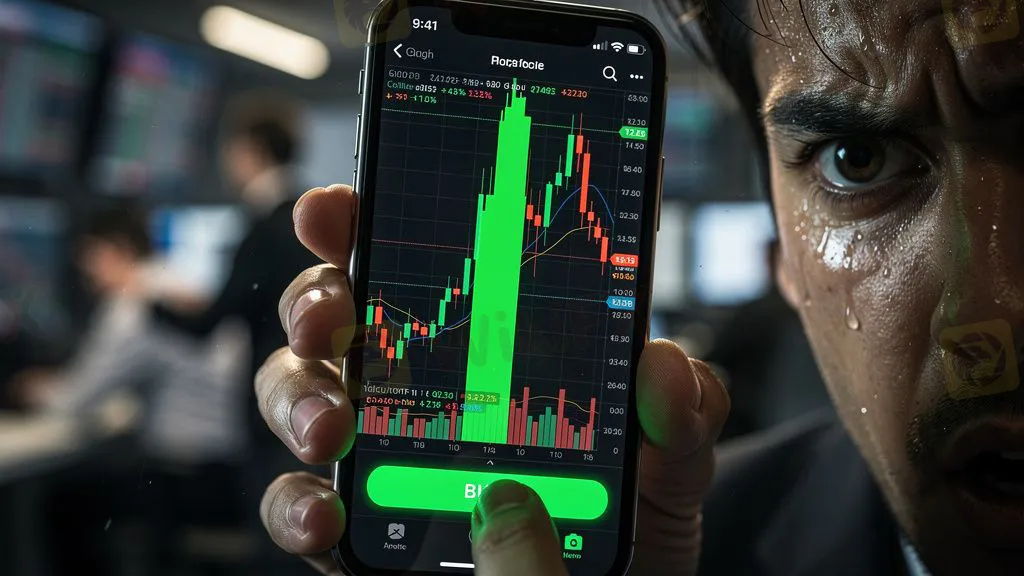
Lets be honest with each other. We have all been there.
Youre sitting at work or stuck in traffic, and you open your trading app. You see Gold or Bitcoin shooting up like a rocket. A vertical green line. Your Telegram groups are going crazy. Everyone is posting screenshots of profits. You feel that tightness in your chest—the fear that everyone in Lagos, Nairobi, or Jo'burg is getting rich while you get left behind.
You panic. You press “Buy” without thinking.
And what happens next? The market reverses instantly. That huge green candle turns into a wicked red one. You didn't buy the breakout; you bought the top. That is FOMO (Fear Of Missing Out), and it is the single biggest reason why retail traders blow their accounts.
The market is designed to manipulate your emotions. Big institutional players know exactly how retail traders think. They wait for that emotional spike. When you are frantically buying because “it's going to the moon,” the big banks are the ones selling to you. They are taking their profits while you are providing the liquidity holding the bag.
Trading isn't about excitement. It's about patience. If seeing a chart move fast makes your heart rate go up, you aren't trading—you're gambling.
There is a saying on the street: “If you have to chase it, youve already lost it.”
Many new traders mistake FOMO for intuition. They think, “My gut tells me this is going up.” But usually, that's not your gut/instinct; it's your greed reacting to price movement.
Here is how you tell the difference:
If you don't know where your Stop Loss goes before you enter, get out.
This emotional state is dangerous for another reason. When you are desperate to catch a winning trade, your defenses go down. You start listening to “gurus” promising guaranteed 100% returns or “insider signals.”
This is where you get eaten alive. Scammers thrive on FOMO. They hype up fake opportunities to get you to deposit money into unregulated platforms.
Before you deposit a single KES or NGN into a broker you found on social media, check their regulatory status on WikiFX. It takes thirty seconds to search the broker's name on the app. If they have a low score or a warning label, it doesn't matter how good the “opportunity” looks. Run. Don't let your desire for fast cash lead you straight into a trap.
You cant turn off your emotions, but you can control your actions. Here is the playbook:
1. Joy of Missing Out (JOMO)
Learn to love missing trades. Seriously. If the market pumps and you aren't in it, say “Good for them.” There will be another setup tomorrow, and the day after. The market isn't going anywhere. Preserving your capital is more important than catching every move.
2. Step Away from the Screen
If you catch yourself staring at the 1-minute chart and sweating, put the phone down. Go outside. Touch grass. Decisions made while staring at ticking prices are usually wrong.
3. Use Limit Orders
Stop using “Market Execution.” Set a Limit Order at the price you want. If the market comes to you, great. If it runs away without you, let it go. Never chase a bus that has already left the station; youll just get tired and look foolish.
Professional traders are boring. They sit on their hands 90% of the time and only strike when the setup is perfect. Novice traders are hyperactive, chasing every green and red candle until their equity hits zero.
Next time you feel that urge to jump in because “it's moving,” sit on your hands. Your future self will thank you.
Disclaimer: This content is for educational purposes only and does not constitute financial advice. Trading involves significant risk, and you can lose your invested capital. Always do your own research.
Disclaimer:
The views in this article only represent the author's personal views, and do not constitute investment advice on this platform. This platform does not guarantee the accuracy, completeness and timeliness of the information in the article, and will not be liable for any loss caused by the use of or reliance on the information in the article.
The market is a game of psychology, not just economics. Trade what the chart is doing, not what the news anchor is saying.
I see it every single day. A student sends me a screenshot of their trading setup, asking why they got stopped out.
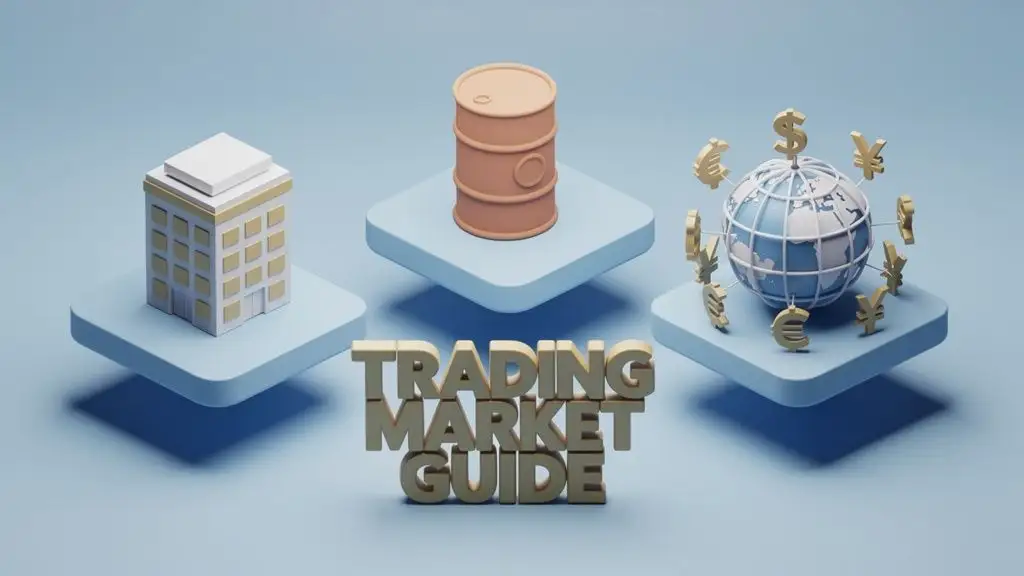
You’ve probably seen the screenshots on social media. Someone turns $500 into $5,000 in a single morning, and suddenly everyone wants to be a trader. But here is the cold reality: trading isn’t a single game. It’s a collection of different battlefields, and if you bring a knife to a gunfight, you’re going to lose your capital.
You’ve been there. You are staring at the EUR/USD chart. Your technical analysis is perfect. Support is holding, the RSI looks good, and you are 20 pips in profit.
WikiFXWikiFXWikiFXWikiFXWikiFXWikiFXWikiFXWikiFXWikiFXWikiFX