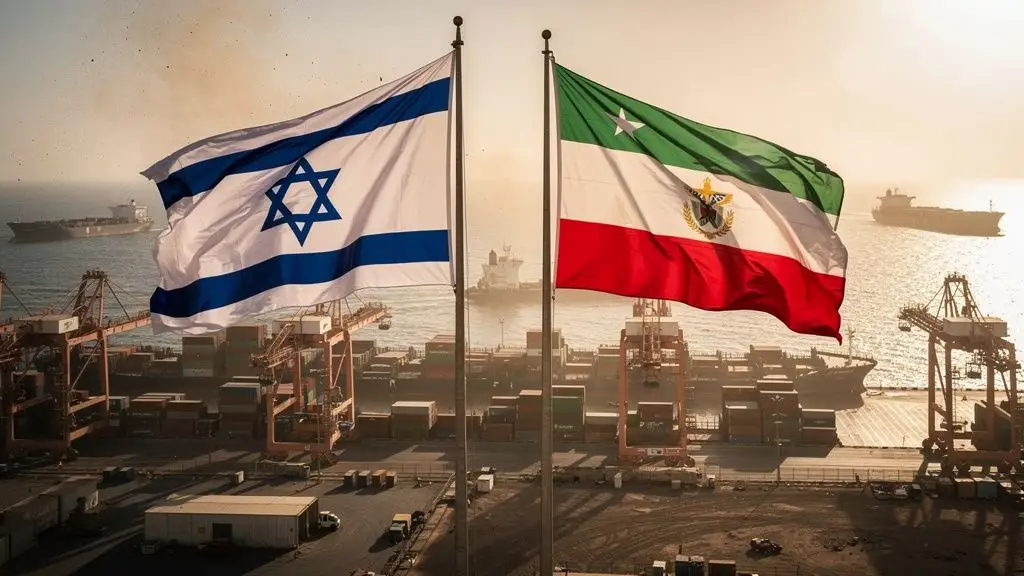
Abstract:Global markets are bracing for a week of heightened geopolitical stakes as incoming US President Donald Trump prepares for a critical summit with Israeli Prime Minister Benjamin Netanyahu, while tensions in Eastern Europe flare following fresh warnings from Moscow.
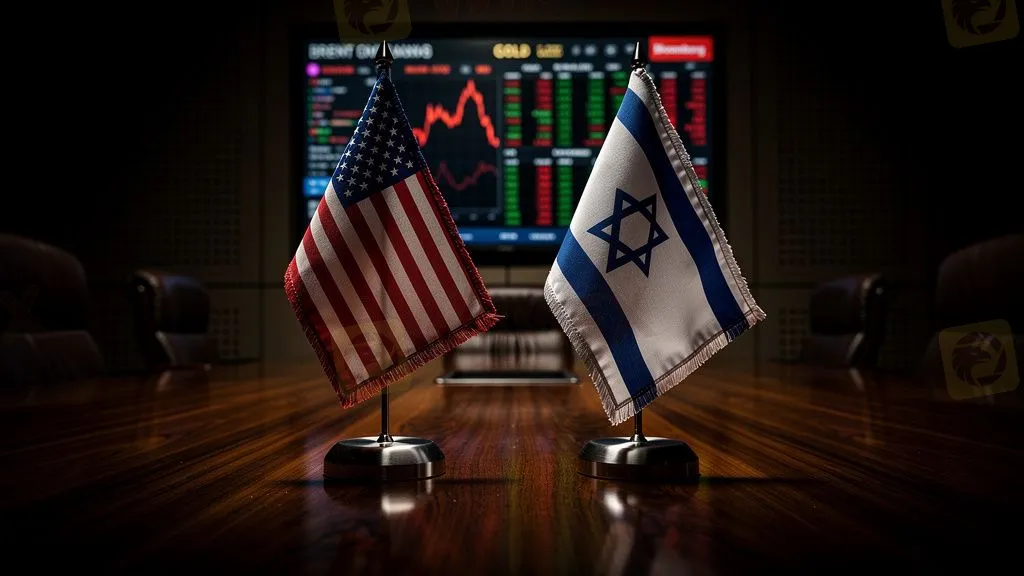
Global markets are bracing for a week of heightened geopolitical stakes as incoming US President Donald Trump prepares for a critical summit with Israeli Prime Minister Benjamin Netanyahu, while tensions in Eastern Europe flare following fresh warnings from Moscow.
Trump-Netanyahu: Defining the “Trump Doctrine” 2.0
The upcoming closed-door meeting between Trump and Netanyahu is poised to set the strategic baseline for the Middle East. While the US-Israel alliance remains the bedrock of Washington‘s regional policy, the summit will test the alignment between Trump’s transactional “America First” approach and Netanyahus hardline security agenda.
- The Iran Factor: The most significant variable for energy markets remains Iran. Netanyahu is expected to present options ranging from joint US-Israeli strikes to unilateral Israeli action against Tehran. However, analysts note the White Houses reluctance to engage in a new Middle Eastern war, preferring economic leverage or proxy containment.
- Oil Market Implications: Should the rhetoric shift toward military escalation against Tehran, Brent Crude and WTI could see renewed volatility, pricing in supply disruption risks in the Strait of Hormuz. Conversely, a push for a diplomatic “Grand Bargain” involving Saudi Arabia could deflate geopolitical risk premiums.
Eastern Front: Lavrovs Warning to Europe
Parallel to the Middle East tension, the conflict in Ukraine faces a precarious diplomatic window. Russian Foreign Minister Sergey Lavrov has explicitly labeled Europe the “main obstacle to peace,” warning that European military involvement in Ukraine would be considered legitimate targets.
This rhetoric coincides with intensified Russian strikes on Ukraines energy infrastructure, including the Kherson region, further threatening European energy security. For FOREX traders, this renewed friction adds headwinds to the EUR, while supporting Safe Haven demand for Gold (XAU/USD) and the Swiss Franc (CHF).
Analyst View
The simultaneous flare-up in two major geopolitical theaters suggests that the “Risk-Off” sentiment may dominate early trading sessions. Traders should monitor the US Dollar Index (DXY) as a primary beneficiary of safety flows if diplomatic signaling turns hawkish in both Tel Aviv and Moscow.
Disclaimer:
The views in this article only represent the author's personal views, and do not constitute investment advice on this platform. This platform does not guarantee the accuracy, completeness and timeliness of the information in the article, and will not be liable for any loss caused by the use of or reliance on the information in the article.