Abstract:FBI warns crypto scam victims about fake law firms claiming to recover assets. Stay cautious to avoid further losses and protect your personal data from fraud.
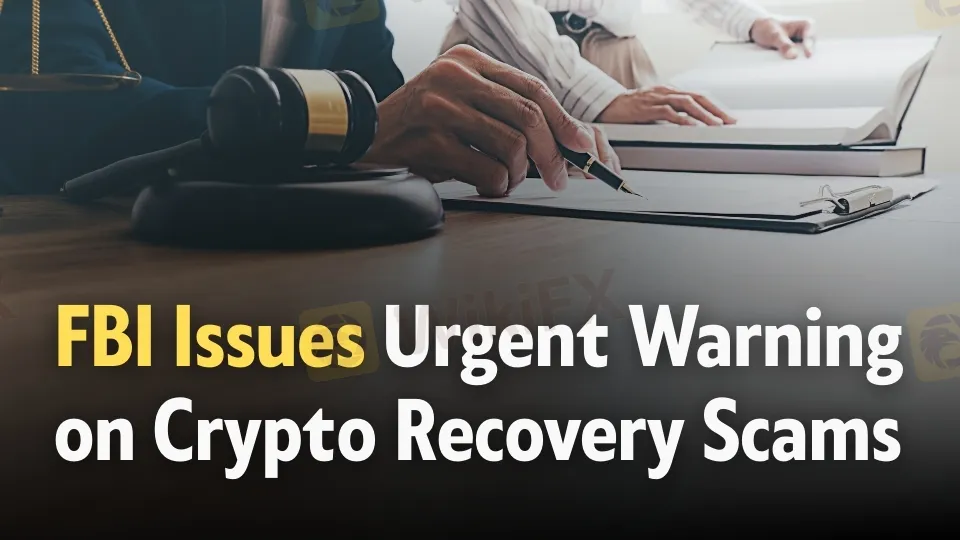
The U.S. Federal Bureau of Investigation (FBI) has sounded a fresh alarm to the crypto community, urging recent victims of cryptocurrency scams to remain vigilant against fraudulent “law firms” touting digital asset recovery services. The FBIs latest alert, released on Wednesday, warns that these bogus legal entities often prey on individuals who have already suffered losses, potentially exposing them to further financial harm or the theft of sensitive personal information.
 Contents
Surge in Digital Asset Recovery Scams
Building on prior warnings from August 2023 and June 2024, the FBI emphasizes that many recovery scammers approach victims unsolicited, especially those who havent officially reported their cases to law enforcement. The agency advises extreme caution regarding law firms that request payment in cryptocurrency or prepaid gift cards, highlighting these as major red flags for fraud.
“Be cautious of law firms contacting you unexpectedly,” stated the FBI in its advisory.
This renewed caution comes amid alarming statistics from blockchain security experts. CertiK estimates that over $2.5 billion was lost to crypto hacks, exploits, and scams in the first half of 2025 alone. While exchanges attempt asset recovery, most victims are left searching for reliable remedies—which makes them prime targets for digital asset recovery scams.

Crypto Scam Victims Targeted with Sophisticated Tactics
The FBI, which leads most U.S. investigations into cryptocurrency fraud and asset seizures, has reiterated that seized digital assets first go towards compensating victims before entering the governments Bitcoin reserves. In April 2025, the Dallas FBI office confiscated $2.4 million in Bitcoin allegedly linked to organized hacking efforts, marking another success in combating blockchain crime.
Criminal schemes are increasingly sophisticated. SatoshiLabs founder Alena Vranova notes that some crypto holders have even faced kidnappings aimed at extorting their digital assets—underscoring the varied dangers faced by the community globally.
Crypto ATMs: New Focus for Scam Artists
The Financial Crimes Enforcement Network (FinCEN) has also raised concerns about the proliferation of crypto ATMs—or convertible virtual currency (CVC) kiosks—which have jumped from 4,250 units in early 2020 to over 30,600 across the U.S. by August 2025. Many operators fail to register as legal money services businesses, violating the Bank Secrecy Act and providing new opportunity for scams.
Last year, nearly 11,000 complaints involving crypto ATM fraud were logged, totaling almost $247 million in reported losses. Treasury officials highlight suspicious patterns such as customers making multiple payments just below regulatory thresholds, large transfers from new users, and frequent use of different kiosks.
How to Protect Yourself from Cryptocurrency Fraud
Individuals seeking to recover lost crypto assets should:
- Avoid unsolicited recovery offers, especially those requesting payment in cryptocurrency or gift cards.
- Verify credentials of any law firm or asset recovery service.
- Report all incidents directly to law enforcement.
- Watch for signs of fraudulent activity, including high-pressure tactics and requests for sensitive data.
By staying alert to the signs of digital asset recovery scams, victims can safeguard themselves against further losses and help combat the growing threat to blockchain security.