

Global Broker Regulation Inquiry App
About WikiFX
English
简体中文
繁體中文
English
Pусский
日本語
ภาษาไทย
Tiếng Việt
Bahasa Indonesia
Español
हिन्दी
Filippiiniläinen
Français
Deutsch
Português
Türkçe
한국어
العربية
اردو


Fed Minutes Expose Historic Rift on Cuts; Liquidity 'Plumbing' Fix Launched

WikiFX
|


Abstract:FOMC Minutes reveal a historic policy split with three dissenters, though 'most' officials still favor easing; a $220B T-bill buying program marks a quiet pivot in liquidity management.
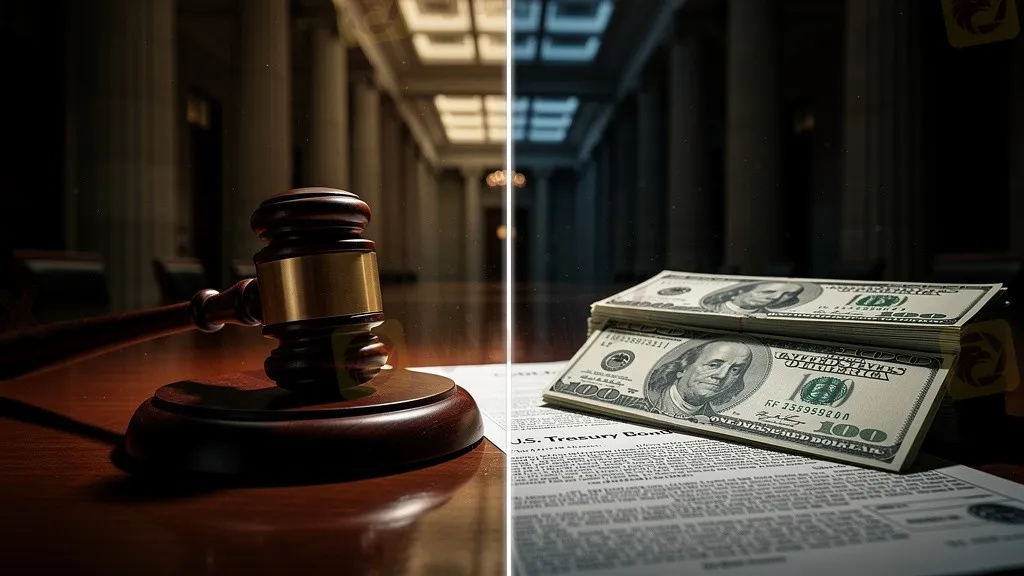
The Federal Reserve's December meeting minutes, released Wednesday, revealed a central bank grappling with its most significant internal division in nearly four decades. While the FOMC ultimately voted 9-3 to lower the benchmark rate by 25 basis points to a target range of 3.50%-3.75%, the accompanying narrative suggests the path forward is anything but linear.
A “Difficult” Decision
The minutes highlight that the decision to cut was characterized as “finely balanced.” While broad consensus remains that further easing is appropriate if inflation data cooperates, a vocal minority of policymakers is agitating for a pause.
The rift is tripartite:
“A few participants noted that reducing policy rates further… could be misinterpreted as a weakening of the Committees commitment to its 2 percent inflation objective,” the minutes stated.
This division has injected uncertainty into market pricing. While federal funds futures still price in two cuts over the next year, the conviction for an immediate follow-up move has softened.
The $220 Billion Liquidity Pivot
Buried beneath the headline debate on rates was a critical shift in the Fed's balance sheet mechanics. The Fed confirmed the activation of Reserve Management Purchases (RMP).
Acknowledging that banking reserves have declined to near “ample” levels—evidenced by recent spikes in SOFR and other money market rates—the Fed plans to purchase approximately $220 billion in Treasury bills over the coming 12 months.
Market Reaction
The US Dollar firmed slightly following the release, buoyed by the revelation that “some” members favored a pause. However, the confirmation of T-bill purchases provided a floor for risk assets. Elsewhere, the Canadian Dollar (CAD) remained flat in thin year-end trading, lacking distinct catalysts.
Disclaimer:
The views in this article only represent the author's personal views, and do not constitute investment advice on this platform. This platform does not guarantee the accuracy, completeness and timeliness of the information in the article, and will not be liable for any loss caused by the use of or reliance on the information in the article.
WikiFX Broker
Latest News
Malaysia’s Pension Fund (KWAP) Hit by eFishery Fraud Scandal with RM163 Million at Risk
WikiFXEMAR MARKETS Review 2026: FSCA Regulation, Withdrawal Complaints, and Account Access Risks
WikiFXFacing a 20% Floating Loss: How Beginners Can Prevent a Margin Call
WikiFXInstaForex Review 2026: Is This Forex Broker Safe?
WikiFXSandStoneFX Review 2026: Is This Forex Broker Safe?
WikiFXFake Investment Scam and Human Trafficking Network Busted with 109 Arrested
WikiFXForex Traders With Day Jobs: The PERKESO Deadline You Cannot Ignore
WikiFXMaxpro365 Review 2026: Where Is My $23,000? We Investigated User Allegations About Missing Funds
WikiFXHow Trading Costs Quietly Drain Your Account: Spreads, Swaps, and Pip Values
WikiFXWhy MetaTrader 4 Remains the Top Choice for Testing Automated Trading Robots
WikiFX