

Global Broker Regulation Inquiry App
About WikiFX
English
简体中文
繁體中文
English
Pусский
日本語
ภาษาไทย
Tiếng Việt
Bahasa Indonesia
Español
हिन्दी
Filippiiniläinen
Français
Deutsch
Português
Türkçe
한국어
العربية
اردو



Japan's Crisis and its Impact on The Dollar and Gold


Abstract:Introduction : For several years, Japan has been facing a series of accumulated economic challenges, the scale of which has recently intensified. These challenges include slowing economic gro
Introduction :
For several years, Japan has been facing a series of accumulated economic challenges, the scale of which has recently intensified. These challenges include slowing economic growth, rapid population aging, a high level of public debt, and fluctuating inflationary pressures. Changes in the monetary policy of the Bank of Japan and volatility in the Japanese yen have become a focal point of global attention due to their impact on currency and commodity markets, particularly the US dollar and gold.
The Beginning of the Crisis :
In the late 1980s and early 1990s, Japan's real estate bubble collapsed after property prices rose unsustainably, in some cases by up to 500%. Banks had issued billions of dollars in loans based on inflated real estate collateral, which became the core of the crisis.
When prices fell, corporations were left with unmanageable debt and banks accumulated large volumes of non-performing loans. Consumer spending declined sharply. In response, the Bank of Japan lowered interest rates to stimulate consumption and investment, cutting short-term rates to zero in 1999. Only nine years earlier, rates had been near 6%, making Japan the first country to adopt a zero-interest-rate policy a stance it maintained despite later global economic shocks.
Loans and Their Impact :
Investors began borrowing funds in Japanese yen at near-zero cost and then converting the yen into other currencies, such as the US dollar or the euro. The capital was subsequently invested in various countries and markets, including emerging markets, through government bonds, equities, real estate, and other financial instruments.
For example, an investor could borrow in yen and invest the proceeds in US or European government bonds yielding 4% or 5%, generating a net return from the interest rate differential. This strategy is known as the Yen Carry Trade, which involves borrowing in Japanese yen and deploying the funds into higher-yielding assets.
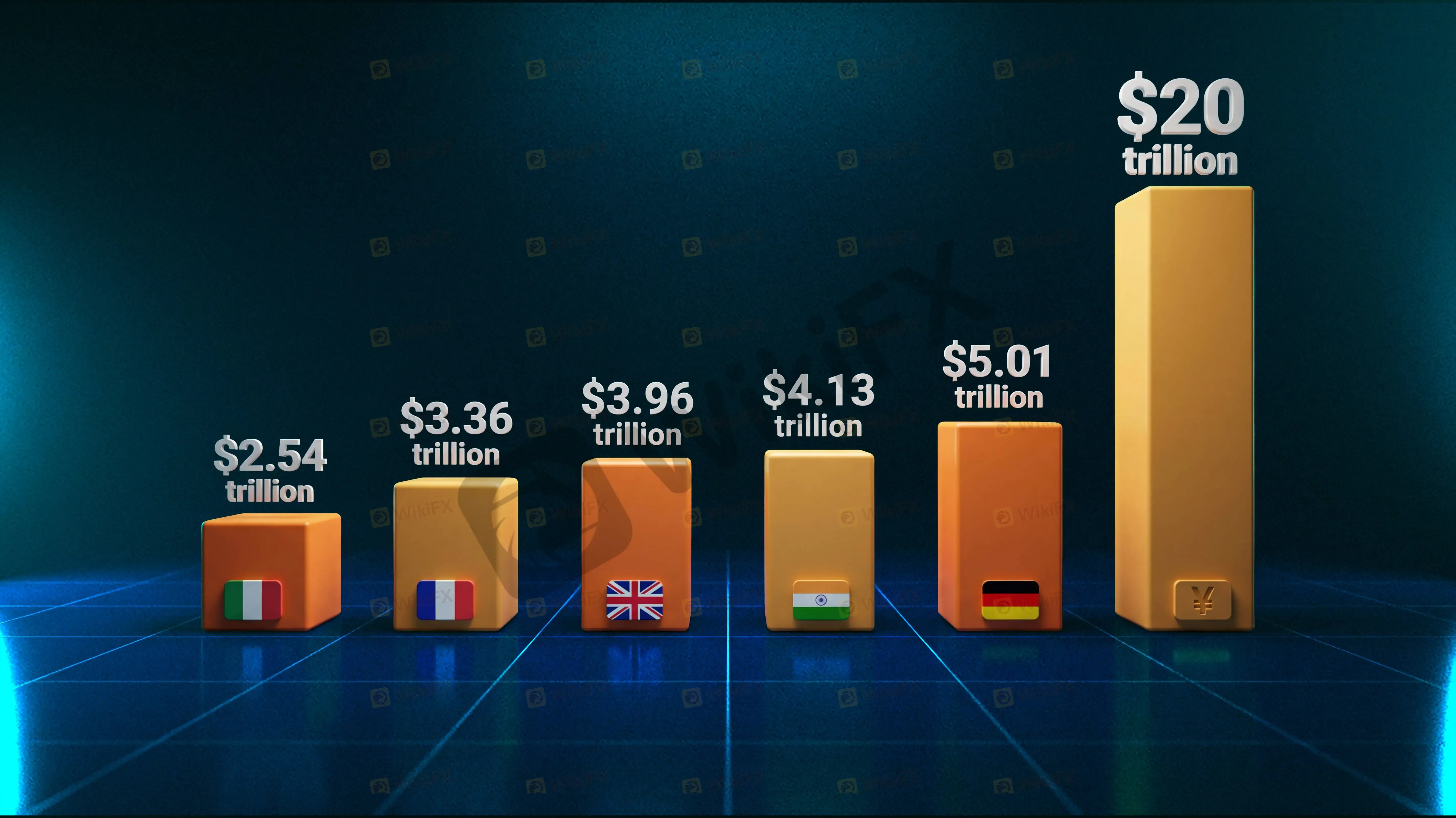
Over the past 25 to 30 years, this mechanism has moved trillions of dollars across global markets. The total size of carry trade activities is estimated at approximately $20 trillion, a figure that exceeds the combined economies of major countries such as Germany, India, the United Kingdom, France, and Italy.
The Collapse Phase :
In October 2025, Sanae Takaichi became Japan's first female prime minister. Her $135 billion spending package and suspension of the food tax, without a clear funding plan, raised investor concerns. With Japan's debt at 260% of GDP, markets reacted on January 20, 2026, as massive bond selling pushed 40-year yields to 4% and 10-year yields to 2.38% in the $7 trillion government bond market.
The Impact of the Japanese Crisis on the World :
The crisis was driven by the reversal of the Yen Carry Trade, as rising Japanese bond yields of around 2.4%–4% prompted investors to shift capital from foreign markets back into Japan.
Known as capital repatriation, investors sold foreign bonds and reinvested in Japanese assets, attracted by higher yields, safety, and yen-denomination. As Japan, the largest holder of US Treasuries, sold these bonds and converted dollars to yen, the dollar weakened and the yen strengthened.
- Withdrawal of Funding: Japanese investors sold US bonds and converted dollars into yen, increasing demand for the yen and reducing demand for the dollar.
- Yield Competition: For decades, the US dollar had been attractive due to higher interest rates compared to the Japanese yen. This advantage diminished as demand for dollar-denominated assets weakened.
- Political Uncertainty: Political changes in the United States, including tariff threats and new trade measures targeting allies, increased investor concerns and reduced confidence in the safety of US markets.
The Japanese bond crisis also led to a rise in precious metal prices as investors sought safe-haven assets. Gold prices exceeded $5,000 per ounce, while silver prices surpassed $110 per ounce.
In response, global companies adjusted their strategies to account for heightened risk. For example, INZO closely monitored political developments and economic changes, taking precautionary measures to address sudden market and gold price movements. The company adopted multiple client engagement channels to help protect trading activities and mitigate risks amid unstable market conditions and global repercussions.
Conclusion :
This is not a temporary issue but a global financial concern centered on Japan's government bond market, the largest in the world, valued at over $7.3 trillion. The market involves major banks, insurance companies, and pension funds from across the United States, Europe, China, and India.
A significant loss of confidence or collapse in this market could have serious global consequences, potentially triggering widespread financial disruption and destabilizing international markets.
Disclaimer:
The views in this article only represent the author's personal views, and do not constitute investment advice on this platform. This platform does not guarantee the accuracy, completeness and timeliness of the information in the article, and will not be liable for any loss caused by the use of or reliance on the information in the article.
WikiFX Broker
Latest News
Japanese Yen dips further despite hotter inflation, upbeat employment data
 WikiFX
Forest City Scam Raids Raise Fresh Warning for Malaysian Property Owners
WikiFXBOLD PRIME Review 2026: Regulation Warnings, Withdrawal Complaints, and Account Access Risks
WikiFXOEXN Broker Review: Regulated but is it Safe for Traders?
WikiFXEC Markets Marketing Director Nick Xydas Steps Down
WikiFXFXDD Malta Licence Ends: What Traders Need to Know
WikiFXTikTok Romance Bait Drains Retiree RM290,000 Life Savings
WikiFXNvidia sales soar on rapid buildout of AI data centres
WikiFXBill Gates Warns the World Is Not Ready for AI's Biggest Risks
WikiFXSingapore Bleeds S$410 Million to Scams in Six Months
WikiFX